Baijun Machinery specializes in hot pressing equipment, precision stamping equipment, and powder forming equipment.

(National High-Tech Enterprise)

Product Description
I. Core Application Areas
The high-precision four-column multi-layer thermal press is a key piece of equipment for mass-producing multi-material components, combining the "stability of the four-column structure," the "efficiency of multi-layer heating plates," and the "reliability of advanced precision control." It is widely used across the following industries:
1. Man-made Board and Wood Processing Industry (Core Applications)
As the mainstream machine in the engineered wood panel industry—officially known as a "multi-layer heating hydraulic press"—it is primarily used for applying pressure and heat to multiple board layers simultaneously, enabling the production of fundamental engineered boards such as plywood, fiberboard, and particleboard. Additionally, this versatile equipment can be employed in advanced wood processing applications, including molded and bent-wood furniture components like chair backrests and sofa armrests, custom decorative wood products such as wardrobe door panels and intricate floor patterns, as well as architectural wood elements like roof trusses and wall cladding panels. Its "multi-layer" design allows for the simultaneous handling of multiple board stacks, significantly boosting the efficiency of engineered wood production—for instance, an 8-layer hot press can achieve 6 to 8 times the output capacity of a single-layer machine.
2. Composite Material Molding (Core Equipment for High-End Manufacturing)
For the molding needs of thermoset/thermoplastic composite materials such as carbon fiber, glass fiber, SMC/BMC, used in the production of:
- Aerospace: Aircraft wing structural components, missile launch compartments, and helicopter transmission shafts (required to meet high-strength and high-temperature resistance specifications);
- New Energy and Automotive: New energy vehicle body frames, battery pack housings, and engine soundproofing panels (requiring lightweight design and impact resistance);
- Sports equipment: golf club heads, carbon fiber rackets, and skis (requiring high modulus and precise molding).
"High-precision temperature and pressure control ensures uniform resin flow and consistent fiber orientation in composite materials, preventing delamination or bubble formation. For instance, the curing and molding of carbon fiber prepregs require strict temperature control between 120–180°C and precise pressure ranging from 5 to 15 MPa."
3. Plastics and the 3C Electronics Industry
For hot pressing molding of plastic sheets, veneer boards, and structural components for 3C products:
- Plastic Processing: Manufacturing plastic decorative panels (such as exterior panels for refrigerators and washing machines), PVC flooring, and PETG transparent sheets (requiring high surface finish and dimensional accuracy);
- 3C Electronics: Manufacturing mobile phone back covers (e.g., PC+PMMA composite panels), VR/AR helmet casings, and TWS earphone back covers (requiring lightweight, sleek design, and excellent scratch resistance);
- Film switches: Used for forming key caps on mobile phones and remote controls (e.g., the "film switch embossing" mentioned in Document 6), requiring precise control of pressure (to prevent membrane rupture) and temperature (to ensure proper adhesive curing).
4. Other industries
- Home appliance industry: Manufacturing plastic components such as air conditioner casings and microwave oven door panels;
- Construction Industry: Developing new eco-friendly building materials (such as fiber cement boards and wood-plastic composite panels) that meet performance requirements like water resistance and fire protection.
II. Core Features (The Combined Advantages of High Precision + Four-Column Design + Multi-Layer Structure)
1. Four-column structure: High stability and repeat accuracy
The machine employs a four-column, three-plate beam-type or three-beam, four-column structure (with the middle plate serving as a movable slider). The four columns are precisely fitted with linear guide sleeves, ensuring smooth slider movement—free from uneven loading or shaking. Paired with high-precision displacement sensors and servo-adjustable limit switches, the system achieves a repeat positioning accuracy of **±0.02mm** (as noted in Document 2: "Servo-adjustable limit distance delivers exceptional repeat positioning accuracy"), perfectly meeting the dimensional requirements for complex-shaped components such as smartphone back covers.
2. Multi-layer hot-pressing plates: Ensuring efficiency in mass production
Composed of multiple hot-press plates (typically 4 to 16 layers), this system can simultaneously apply pressure and heat to multiple sets of board blanks, significantly boosting production capacity— for instance, a 10-layer hot press machine can produce 30 to 40 sets of board blanks per hour. Some equipment is equipped with automated plate-handling systems (as noted in Document 5: "Hot presses with higher layer counts and larger dimensions are usually fitted with loading/unloading machines"), enabling fully automated processes from "material feeding to forming and then unloading," thereby reducing labor costs.
3. High-Precision Parameter Control: The Core Guarantee of Product Quality
- Temperature Control: The heating plate is precision-ground from imported tool steel (with thermal deformation less than 0.1mm), enabling precise temperature adjustment from ambient to 300°C via intelligent PID control, achieving a temperature accuracy of ±2°C (as noted in Material 2: "uniform heating with temperature control accuracy of ±2°C"). It also supports segmented heating processes—such as "preheating, ramp-up, and holding"—to accommodate the unique curing characteristics of various resins. For instance, epoxy resin requires a 150°C hold for 30 minutes to fully cure.
- Pressure and Displacement Control: Utilizing a servo-hydraulic system, the system achieves precise, fully closed-loop control of both pressure (±0.1 MPa) and displacement (±0.01 mm)—as noted in Document 7, highlighting features like "stable pressure, high efficiency, and superior product yield." It also supports multi-stage pressure settings—such as "rapid pressurization—slow holding pressure—gradual depressurization"—effectively preventing plastic sheet overflow or delamination in composite materials.
4. Smart and Flexible: Adaptable to Multi-Product Production
- Parameter Storage and Retrieval: Capable of storing over 100 sets of process parameters (such as mold number, temperature, pressure, and holding time). When switching products, simply recall the corresponding program to start production—just as described in Document 2: "Enables effortless access to up to 100 parameter programs, eliminating the need for repetitive input."
- Touchscreen Control and Data Traceability: Equipped with a user-friendly touchscreen interface that displays real-time parameters such as pressure, temperature, and displacement. It can automatically generate production reports (e.g., output and yield) and supports data export in formats like Excel, making it easy to optimize processes and trace quality effectively.
5. Comprehensive Security Assurance
- Mechanical Safety: Equipped with a two-hand operation button (preventing accidental activation), an emergency stop button (for handling unexpected situations), and a pneumatic safety device (to prevent the upper die from falling).
- Optoelectronic Safety: Employs highly sensitive through-beam photoelectric sensors (covering the equipment's opening area), ensuring immediate shutdown of the device if a human body or foreign object enters the hazardous zone.
- Mold Protection: Supports up-and-down mold inching function (slow, controlled movement of the mold), making it easier to install and align the mold (as mentioned in Document 1: "Equipped with up-and-down mold inching for convenient installation and alignment").
| Four-Column (Frame-Type) Multi-Stage Hot Press Hydraulic Molding Machine Parameter Sheet | |||||||
| Model Series | Maximum pressure (kN) | Heating plate dimensions (mm) | Layer spacing (mm) | Number of layers (N) | Maximum temperature (℃) | Heating method | Main application areas |
| BZ-RY-30T | 300 | 300 × 500 / 400 × 600 | 200 | 1-3 | 200 | Electric Heaters or Mold Temperature Controllers | Small electronic components, small medical devices |
| BZ-RY-50T | 500 | 400×500/600×800 | 200 | 1-5 | 300 | Electric Heaters or Mold Temperature Controllers | Phone back covers, tablet backplates, and small sports equipment |
| BZ-RY-100T | 1000 | 500 × 700 / 800 × 1000 | 250 | 1-5 | 300 | Electric Heaters or Mold Temperature Controllers | Laptop casings, bike racks, and mid-sized medical devices |
| BZ-RY-200T | 2000 | 800 × 1000 / 1000 × 1200 | 250 | 1-5 | 300 | Electric Heaters or Mold Temperature Controllers | Large communication equipment housings, rowing boats, and large medical devices |
| BZ-RY-300T | 3000 | 1000×1200/1300×1500 | 300 | 1-5 | 300 | Electric Heaters or Mold Temperature Controllers | Large antenna radomes, specialized sports equipment, and bulky medical devices |
III. Application Analysis of Multi-Layer Hot Press Molding in the Electronics and Electrical Fields
1. Major Composite Materials Products in the Electrical and Electronics Sector
The electronics and electrical sectors are a key market for composite material applications, particularly in areas such as 5G communications, smart wearables, and consumer electronics, where demand is rapidly growing for lightweight, high-strength composites with excellent signal penetration capabilities.
Products in the electrical and electronics field that primarily utilize carbon fiber and glass fiber composites include:
5G communication equipment components:
- 5G phone back cover: Leveraging the lightweight, high-strength, and signal-penetrating advantages of carbon fiber composite materials.
- 5G base station antenna radome: Must feature excellent electromagnetic wave penetration and weather resistance.
- Communication equipment enclosure: Requires lightweight, high strength, and a certain level of electromagnetic shielding performance.
Smart wearable devices:
- VR/AR device casings: Pursuing lightweight design, high strength, and comfort.
- Smartwatch and wristband structural components: require lightweight, high-strength materials.
- Rigid support structures for wearable devices: leveraging the high specific strength of carbon fiber.
Consumer electronics:
- Tablet backplate: Made from carbon fiber or glass fiber composite materials to achieve lightweight design and high strength.
- Laptop casing/base cover: Requires a material that is lightweight, high-strength, and offers excellent heat dissipation.
- TWS earphone back cover: Leveraging the lightweight, high-strength, and signal-penetrating properties of fiberglass panels.
Other electronic components:
- Circuit board substrate: Requires a composite material with excellent insulation properties and dimensional stability.
- Internal support structure for electronic devices: Leveraging the lightweight and high-strength properties of composite materials.
- E-cigarette body: Designed for lightweight construction, high strength, and sleek aesthetics.
2. Characteristics of Multi-layer Hot Press Molding Process for Electronic and Electrical Products
Composite material products in the electronics and electrical fields are typically thin-walled structures, demanding high precision in dimensions, superior surface quality, and excellent signal penetration. The multi-layer hot-pressing molding process used for these materials has the following key features:
Temperature control requirements:
- Lower curing temperature: Typically between 120–200°C to prevent damage to electronic components.
- Precise temperature control: Temperature fluctuations must be kept within a narrow range, typically ±1–2°C, to ensure consistent material properties.
- Rapid temperature control requirements: To enhance production efficiency, equipment often needs to have the ability to quickly heat up and cool down.
Pressure control requirements:
- Moderate molding pressure: Typically ranges from 1 to 10 MPa (equivalent to approximately 10 to 100 tons of force), depending on the material and product design.
- Uniform pressure distribution: Ensures even stress across all parts of the product, preventing deformation or uneven density.
- Multi-stage pressure control: A multi-step pressurization process may be required, involving low-pressure impregnation followed by high-pressure shaping.
Vacuum level requirements:
- High-vacuum environment: Typically, a vacuum level between 0.1 and 1 kPa (-0.1 to -0.095 MPa) is required to eliminate bubbles and enhance material density.
- Vacuum-assisted molding: Initiate vacuum during the pre-compression stage to reduce porosity and enhance product quality.
Characteristics of the molding cycle:
- Shorter molding cycles: Compared to industries like aerospace, the thermoforming cycle for electronic and electrical products is typically much shorter, usually ranging from 10 to 30 minutes.
- Suitable for mass production: The multi-layer hot-pressing process can meet the demands of large-scale manufacturing for electronic and electrical products.
IV. Application Analysis of Multi-Layer Hot-Press Molding in the Sports Equipment Industry
1. Major Composite Material Products in the Sports Equipment Sector
The sports equipment industry was one of the earliest sectors to adopt carbon fiber and glass fiber composite materials, and their use has significantly enhanced the performance of sporting goods—such as lightweight design, increased strength, improved elasticity, and greater durability.
In the sports equipment sector, products that primarily utilize carbon fiber and glass fiber composite materials include:
Ball sports equipment:
- Tennis racket frame: Leveraging carbon fiber's high specific strength and excellent elastic properties.
- Badminton rackets: Designed for lightweight construction, high strength, and excellent elasticity.
- Golf clubs—comprising both the shaft and the clubhead—require composite materials with high modulus and superior strength.
- Table tennis racket: Requires appropriate elasticity and weight distribution.
Cycling sports equipment:
- Bicycle rack: Leveraging the lightweight, high-strength, and excellent shock-absorbing properties of carbon fiber composites.
- Bicycle wheelsets: Pursuing lightweight design, high strength, and aerodynamic performance.
- Cycling helmets require materials that are lightweight, high-strength, and offer excellent energy-absorbing properties.
Water sports equipment:
- Surfboard: Leveraging the lightweight and high-strength properties of carbon fiber and glass fiber composites.
- Rowing: Pursuing ultimate lightweight design and high strength to enhance speed.
- Kayaking: Requires materials that are lightweight, high-strength, and offer excellent waterproof performance.
Winter sports equipment:
- Snowboards require appropriate elasticity, lightweight design, and high strength.
- Ski poles: Leveraging the high specific strength of carbon fiber.
- Sledding: Pursuing lightweight design and high strength.
Other sports equipment:
- Hockey stick: Requires high strength and excellent flexibility.
- Archery equipment—including the bow and arrows—requires high-modulus, high-strength composite materials.
- Fitness equipment components: Leveraging the lightweight and high-strength properties of composite materials.
2. Features of the Multi-layer Hot-Press Molding Process for Sports Equipment Products
Sports equipment products are mostly structural components, placing high demands on the material's mechanical properties—such as strength, stiffness, and elasticity. Their multi-layer hot-pressing molding process has the following characteristics:
Temperature control requirements:
- Moderate curing temperature: Typically ranges from 150 to 250°C, depending on the material type and formulation.
- Precise temperature control: Temperature fluctuations must be kept within a narrow range—typically ±2–3°C—to ensure consistent material properties.
- A step-wise temperature increase may be necessary: Depending on the material's curing characteristics, a stepped heating curve might be required—such as starting at a low temperature and gradually raising it to a higher one.
Pressure control requirements:
- Higher molding pressure—typically ranging from 5 to 20 MPa (equivalent to about 50 to 200 tons of force)—is used to ensure the material achieves optimal density and mechanical performance.
- Even pressure distribution: For sports equipment with complex shapes, it’s essential to ensure that pressure is evenly spread, preventing localized defects.
- Multi-stage pressure control: A multi-stage pressurization process may be required, such as low-pressure impregnation followed by high-pressure shaping.
Vacuum level requirement:
- Higher vacuum requirements: Typically, a vacuum level of 0.1–1 kPa (-0.1 to -0.095 MPa) is needed to eliminate air bubbles and enhance material density.
- Vacuum-assisted curing: For high-performance sports equipment, curing may need to be performed under vacuum conditions to enhance material properties.
Characteristics of the molding cycle:
- Longer molding cycles: Compared to electronic and electrical products, the thermoforming cycle for sports equipment is typically longer, usually ranging from 30 to 90 minutes, depending on the material and product design.
- Post-curing may be required: Certain high-performance composite materials may need additional post-curing treatment to achieve optimal performance.
V. Key Composite Materials Products in the Medical Field
The medical field places stringent demands on materials regarding biocompatibility, lightweight design, high strength, and precision manufacturing. As a result, carbon fiber and glass fiber composites—with their exceptional performance characteristics—are increasingly being adopted across the healthcare sector.
Medical applications primarily utilize products made from carbon fiber and glass fiber composites, including:
1. Medical equipment structural components:
- MRI equipment housing: Leveraging the lightweight and non-magnetic properties of carbon fiber composites.
- CT machine components: require materials that are lightweight, high-strength, and offer excellent radiation penetration.
- Medical robot components: Leveraging the high specific strength and lightweight properties of carbon fiber.
- Medical device moving parts: Striving for lightweight design and high strength to reduce energy consumption and enhance motion performance.
Medical implants and prosthetics:
- Orthopedic implants—such as artificial joints, bone screws, and bone plates—require materials that are highly biocompatible with human tissues.
- Dental implants: Require materials with excellent biocompatibility and mechanical properties.
- Prosthetic components: Leveraging the lightweight, high strength, and comfort of carbon fiber composites.
Medical assistive devices:
- Surgical table components: require lightweight, high-strength materials that are easy to clean.
- Medical bed structural components: Designed for lightweight construction and high strength to enhance mobility and safety.
- Rehabilitation equipment components: Leveraging the lightweight properties and excellent mechanical performance of composite materials.
Medical consumables and disposables:
- Medical splints: Leveraging the lightweight, high-strength, and X-ray penetrability of glass fiber composite materials.
- Medical packaging materials must possess excellent physical properties and biocompatibility.
- Structural components for single-use medical devices: striving for lightweight design combined with sufficient strength.
2. Characteristics of the Multi-layer Thermal Pressing Process for Medical Products
Medical-grade composite materials for the healthcare sector have extremely high demands on biocompatibility, dimensional accuracy, and surface quality. The multi-layer hot-press molding process used for these materials features the following characteristics:
Temperature control requirements:
- Moderate curing temperature: Typically between 150–250°C, ensuring material performance while preventing biocompatibility issues.
- Precise temperature control: Temperature fluctuations must be kept within a narrow range—typically ±1–2°C—to ensure consistent material properties and biocompatibility.
- Uniform temperature distribution: The entire working area must maintain a consistent temperature to prevent localized overheating or cooling, which could compromise product quality.
Pressure control requirements:
- Medium to very high molding pressure: Typically ranges from 5 to 20 MPa (equivalent to approximately 50 to 200 tons of force), depending on the material and product design.
- Precise pressure control: Pressure fluctuations must be kept within a narrow range to ensure consistent product quality.
- Multiple-stage pressure control may be required: Depending on the material's curing characteristics, a multi-stage pressurization process might be necessary.
Vacuum level requirement:
- High-vacuum environment: Typically, a vacuum level between 0.1 and 1 kPa (-0.1 to -0.095 MPa) is required to eliminate air bubbles, enhancing material density and biocompatibility.
- Inert gas protection may be required: For certain materials sensitive to oxidation, curing may need to be performed in an inert gas environment.
Characteristics of the molding cycle:
- Longer molding cycles: Compared to electronic and electrical products, the thermoforming cycle for medical devices is typically longer, usually ranging from 60 to 120 minutes, depending on the material and product specifications.
Strict curing control: Precise management of the curing process is essential to ensure the material's final performance and biocompatibility.
Summary
Through an analysis of the multi-layer thermoforming process requirements in three sectors—electrical & electronics, sports equipment, and medical devices—and a systematic summarization of the hydraulic press parameters for multi-layer thermoforming, we have arrived at the following key research findings:
Differentiated needs across application areas:
- In the electrical and electronics field: High precision in temperature control and vacuum levels are required, typically calling for lower curing temperatures (120–200°C) and enhanced temperature control accuracy (±1–2°C).
- In the field of sports equipment: These applications place high demands on both pressure and material mechanical properties, typically requiring significant molding pressures (5–20 MPa, equivalent to roughly 50–200 tons of force) and moderate temperatures (150–250°C).
- Medical field: Highly demanding in terms of biocompatibility, dimensional accuracy, and surface quality, this area typically requires precise temperature control (±1–2°C) and elevated vacuum levels (0.1–1 kPa).
Common parameters of multi-layer hot-pressing hydraulic presses:
- Temperature control accuracy: Most applications across three key areas require temperature control precision within a range of ±1–2°C to ensure consistent product quality.
- Pressure uniformity: Both require the workbench's flatness and parallelism to be tightly controlled at a high level (typically ≤0.05 mm and ≤±0.03 mm, respectively), ensuring even pressure distribution.
- Vacuum requirement: Most applications demand a vacuum level of 0.1–1 kPa (-0.1 to -0.095 MPa) to enhance material density and improve product quality.
Key factors in equipment selection:
- Product size and batch quantity are the primary factors determining the workbench dimensions and the number of mold layers that can be loaded.
- Material properties: Different materials have varying requirements for temperature, pressure, and curing time, directly influencing the selection of equipment parameters.
- Process requirements: Different molding processes—such as whether vacuum assistance is needed or if multi-stage pressure control is required—place varying demands on equipment configuration.
Applicability of the Universal Series Models:
- 30-ton model: Primarily suitable for small electronic components, small sports equipment parts, and compact medical products.
- 50-100-ton models: Ideal for producing medium-sized products, this is the most widely used model series.
- 200–300-ton models: Primarily suited for large-scale products and applications with high-pressure requirements.
Main performance and features of the equipment:
a. High temperature control accuracy of ±1°C;
b. The thermal plate temperature difference can be as low as ±3°C at best;
c. The hot plate flatness accuracy can reach up to ±0.02 mm;
d. Multi-stage pressure control, with a hold time set separately for each pressure stage;
e. Multiple venting function;
f. Multi-stage temperature control;
g. Scheduled heating function;
h. Menu-based save/restore functionality for product production data;
I. Three-stage pneumatic inflation function;
j. 1000-second ultra-long holding pressure function;
k. Heating methods: Optional electric heating tube heating or mold temperature controller heating;
1. Optional vacuum function;
m. Module options: 1–10 layers customizable;
Environmental equipment
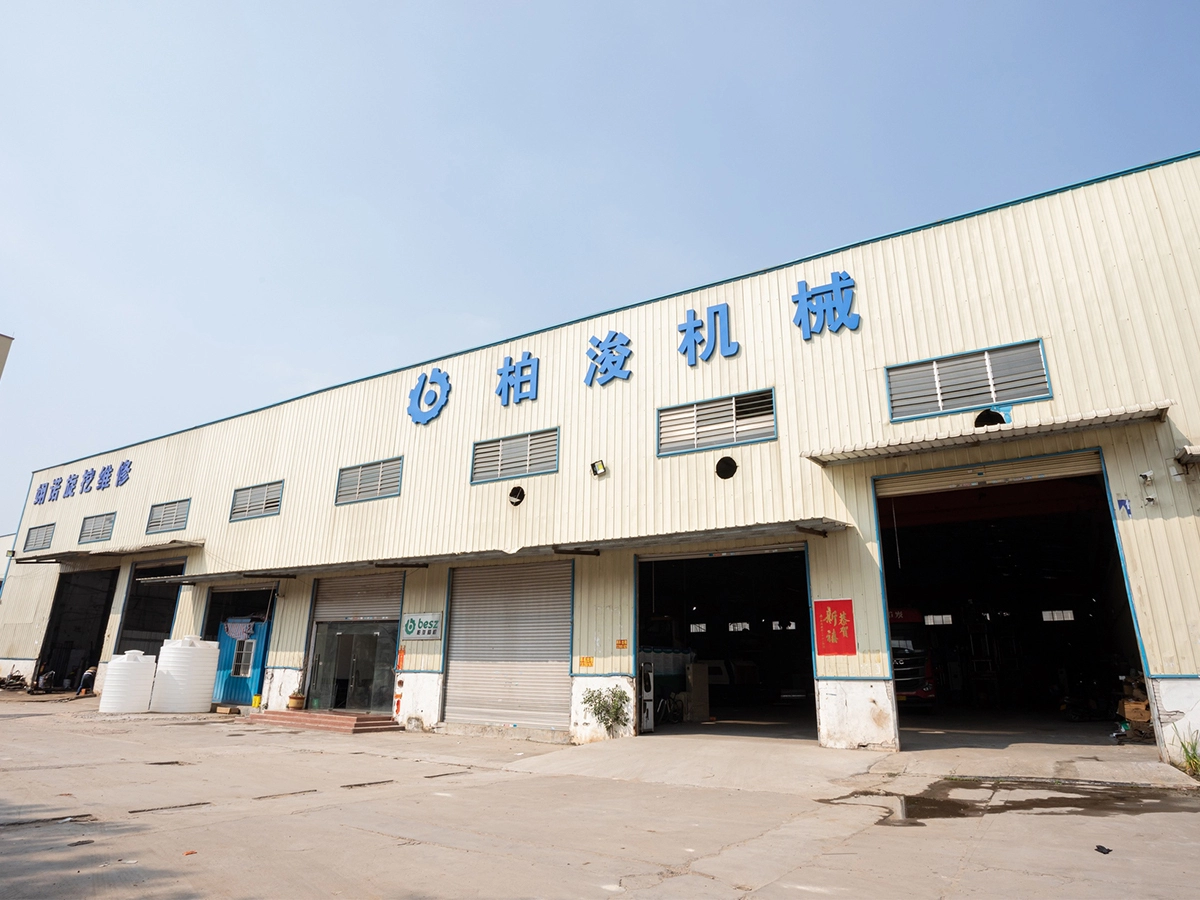
Factory

Factory 1
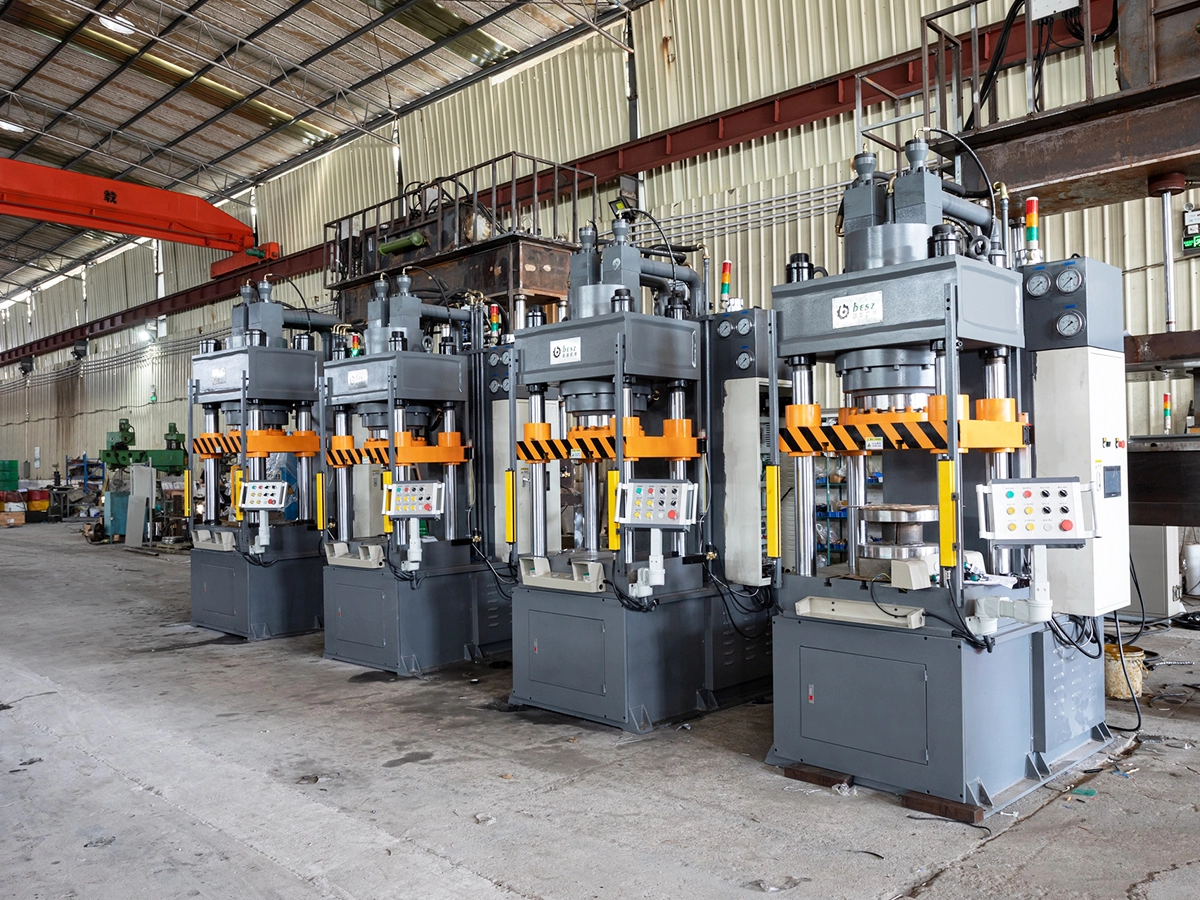
Factory 2
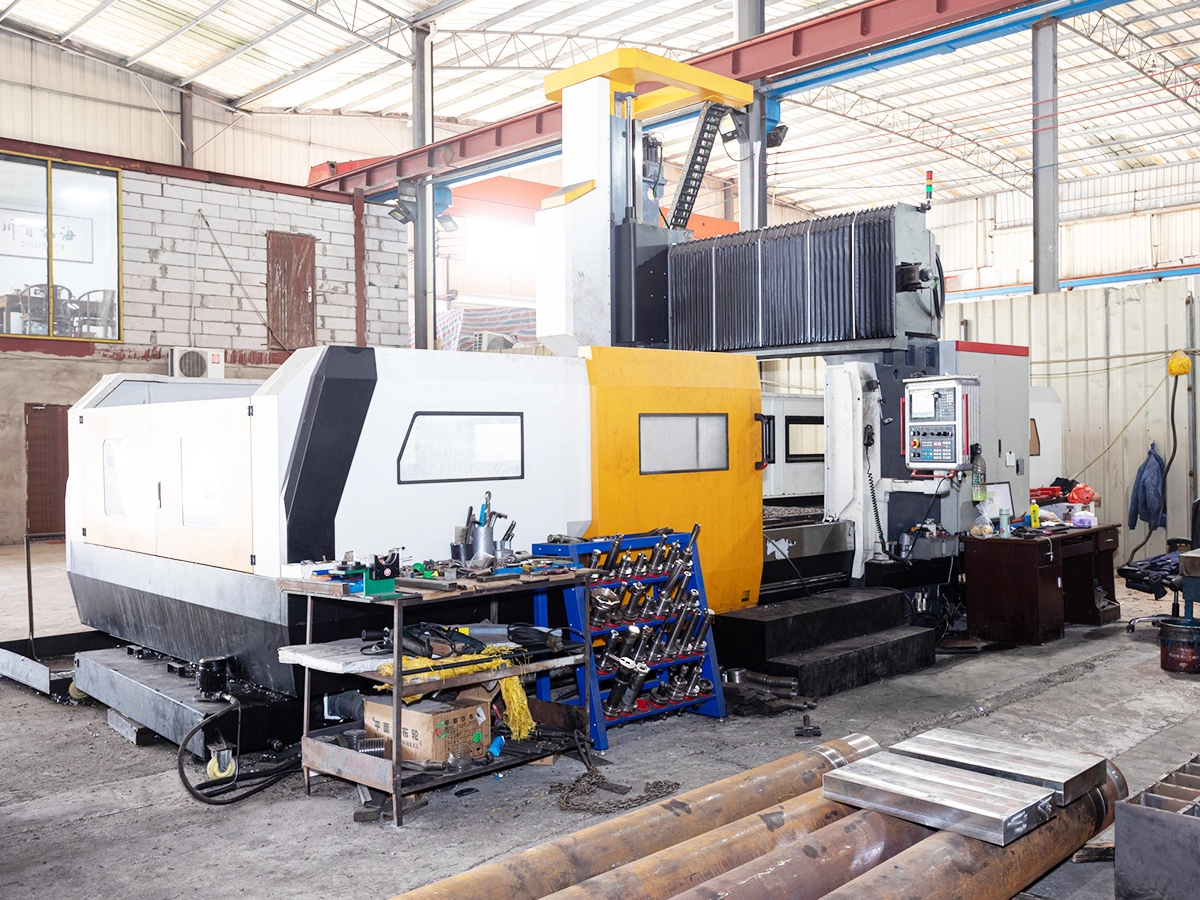
Factory 3
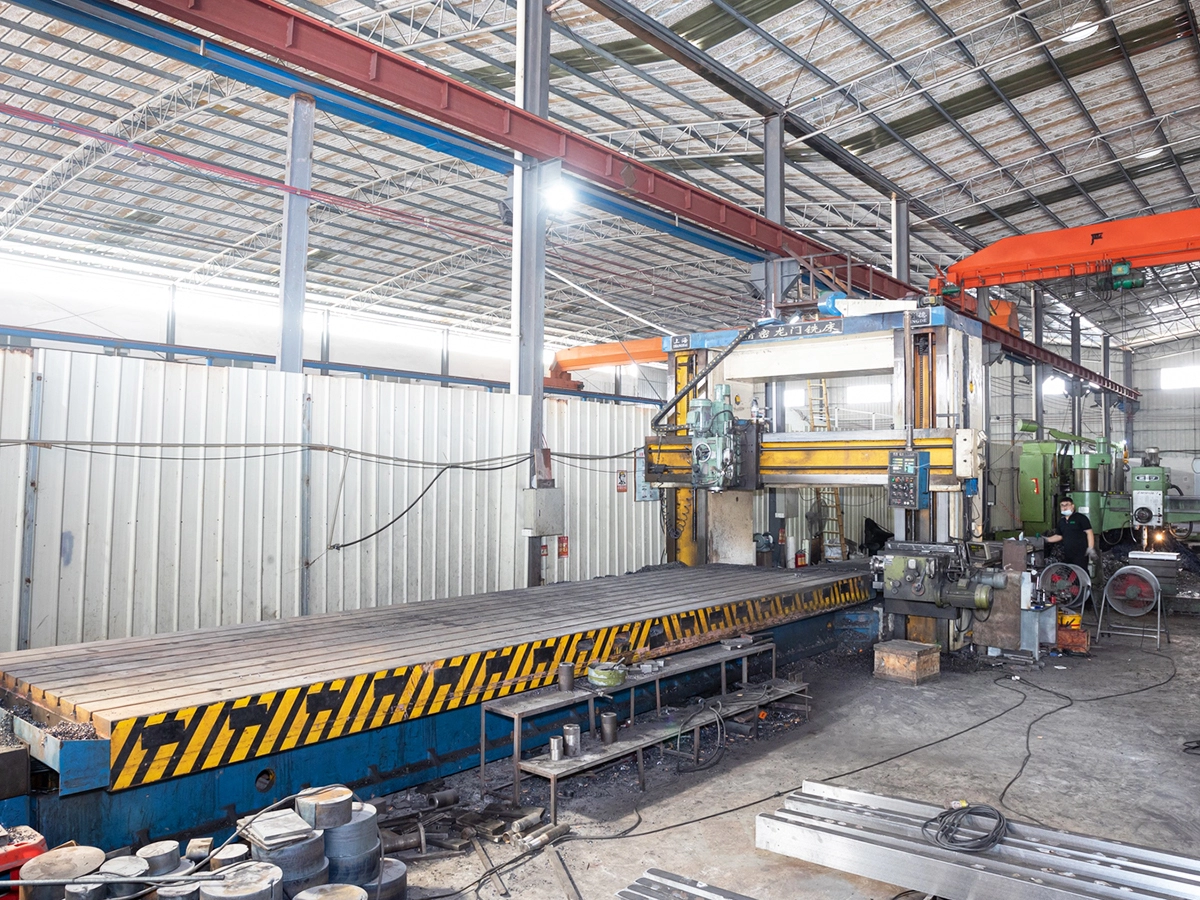
Factory 4
Get a Quote
High-Precision Four-Column Multi-Layer Composite Material Hot Press Molding Machine
If you require custom-delivered products, Please contact us!
Share to


Related Products
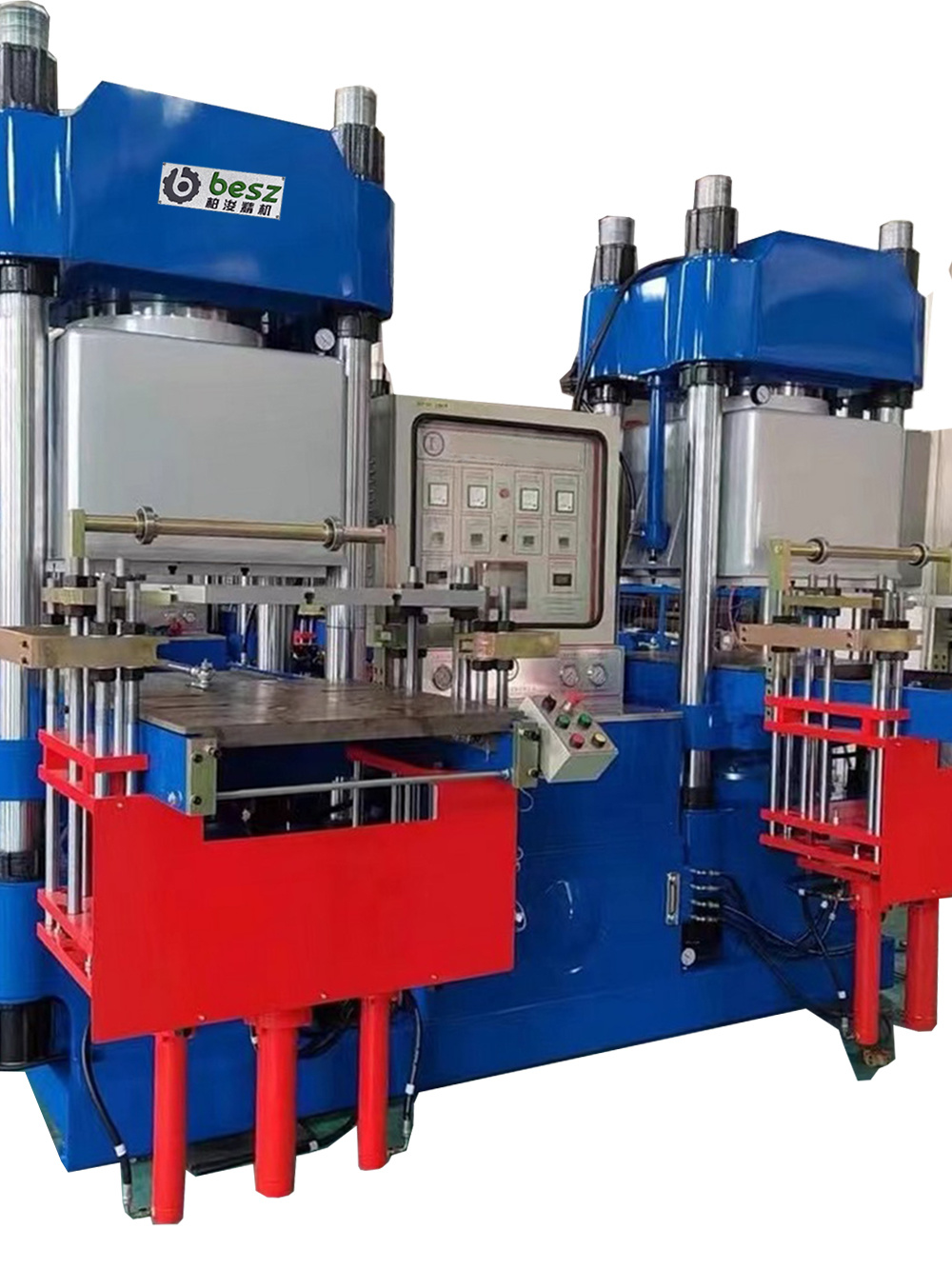
High-Precision Hot-Pressing Oil Machine for the 3C Industry
-
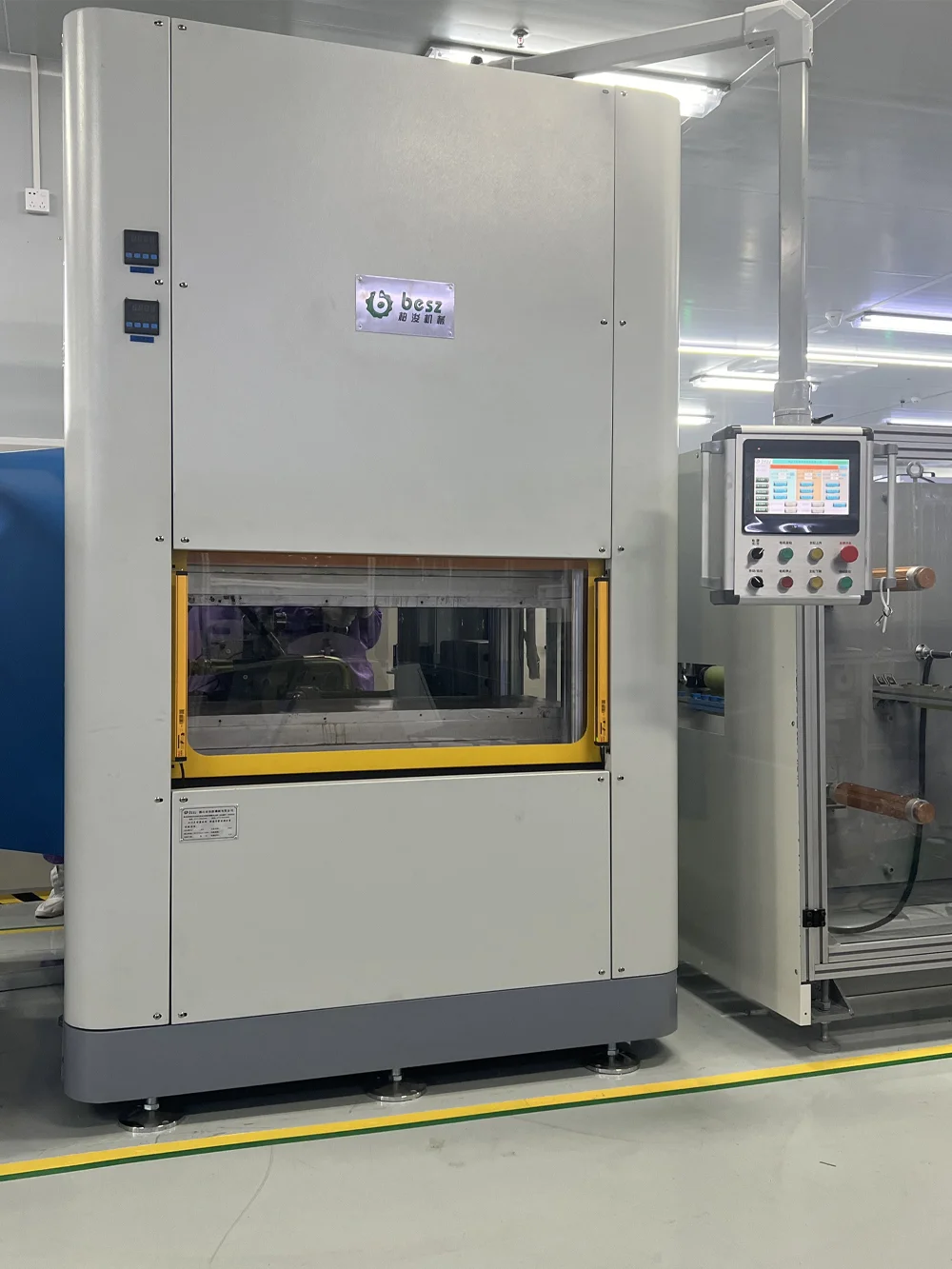
High-Precision Hot-Pressing Oil Machine for the 3C Industry
3C electronics manufacturing: mobile phone back covers (e.g., PC+PMMA composite panels), VR/AR helmet casings, and TWS earphone back covers (requiring lightweight, sleek design, and excellent scratch resistance).
-
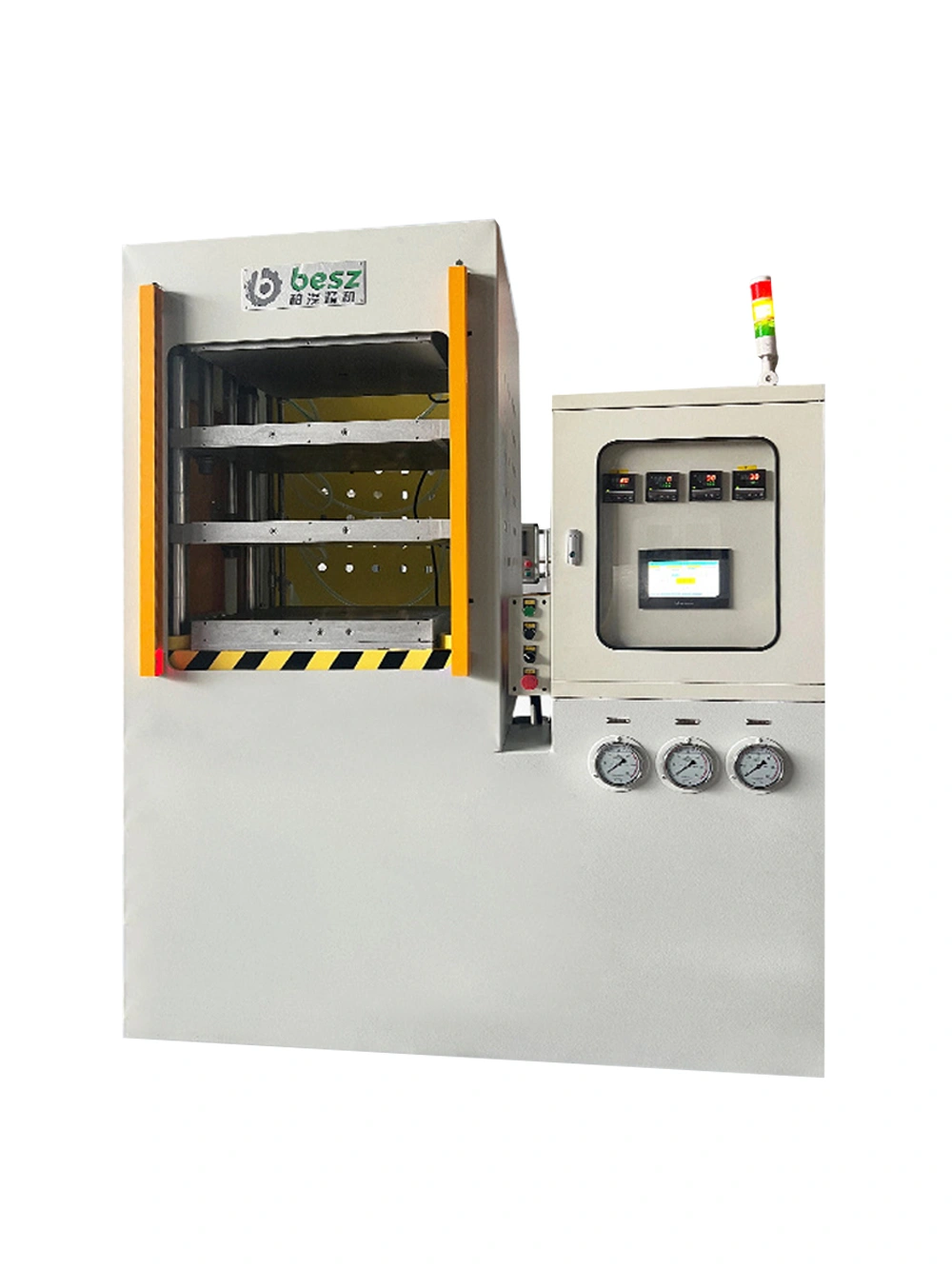
High-Precision Four-Column Multi-Layer Composite Material Hot Press Molding Machine
The high-precision four-column multi-layer hot press molding machine is a key piece of equipment for mass-producing multi-material components, combining the "stability of the four-column structure," the "efficiency of the multi-layer heating plates," and the "reliability of high-precision control."
-
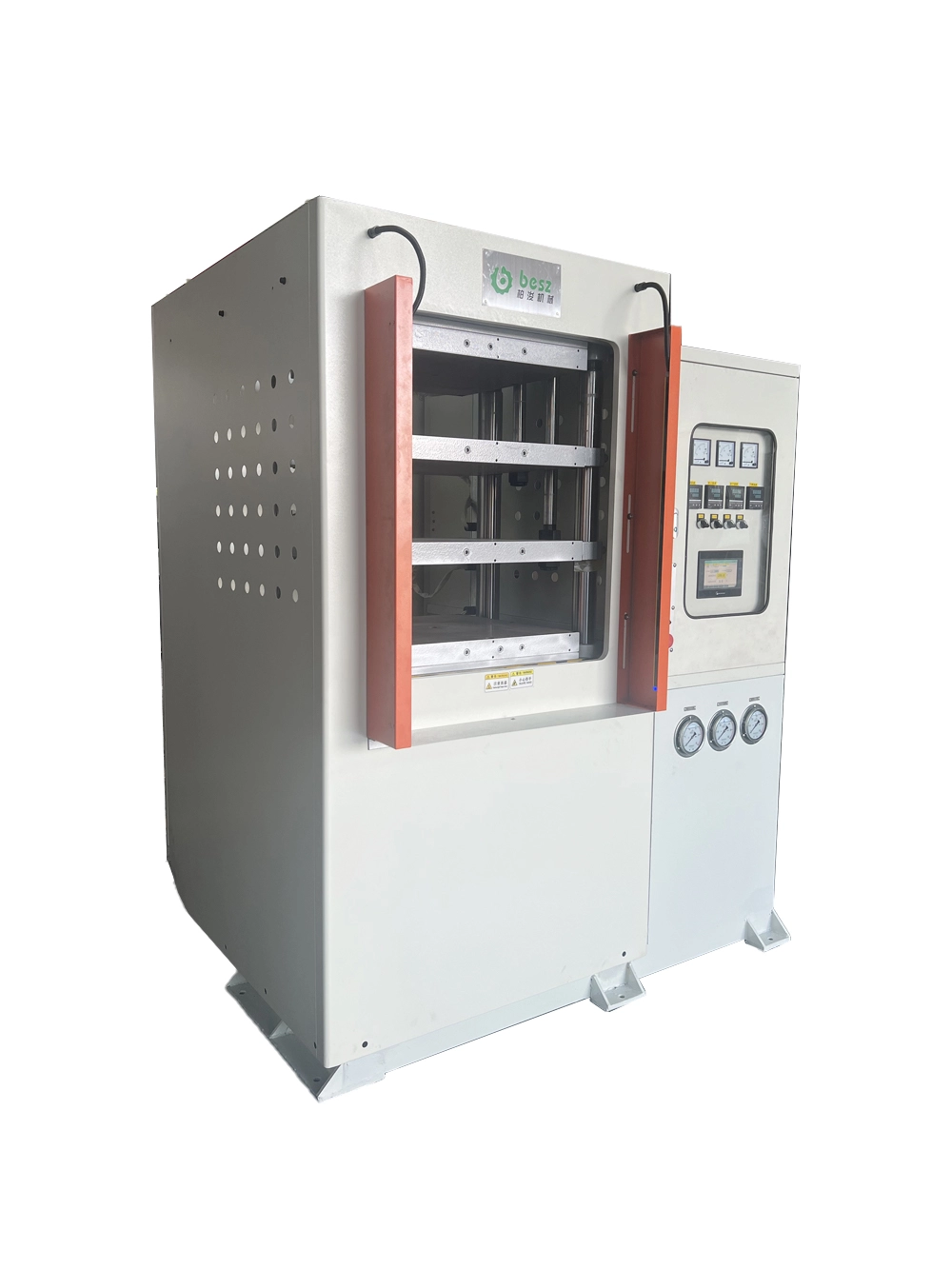
Multilayer Composite Hot Press Molding Machine
The multi-layer composite hot press is a key piece of equipment for the mass production of multi-material components, combining the "stability of a four-column structure," the "efficiency of multi-layer heating plates," and the "reliability of high-precision control."
-
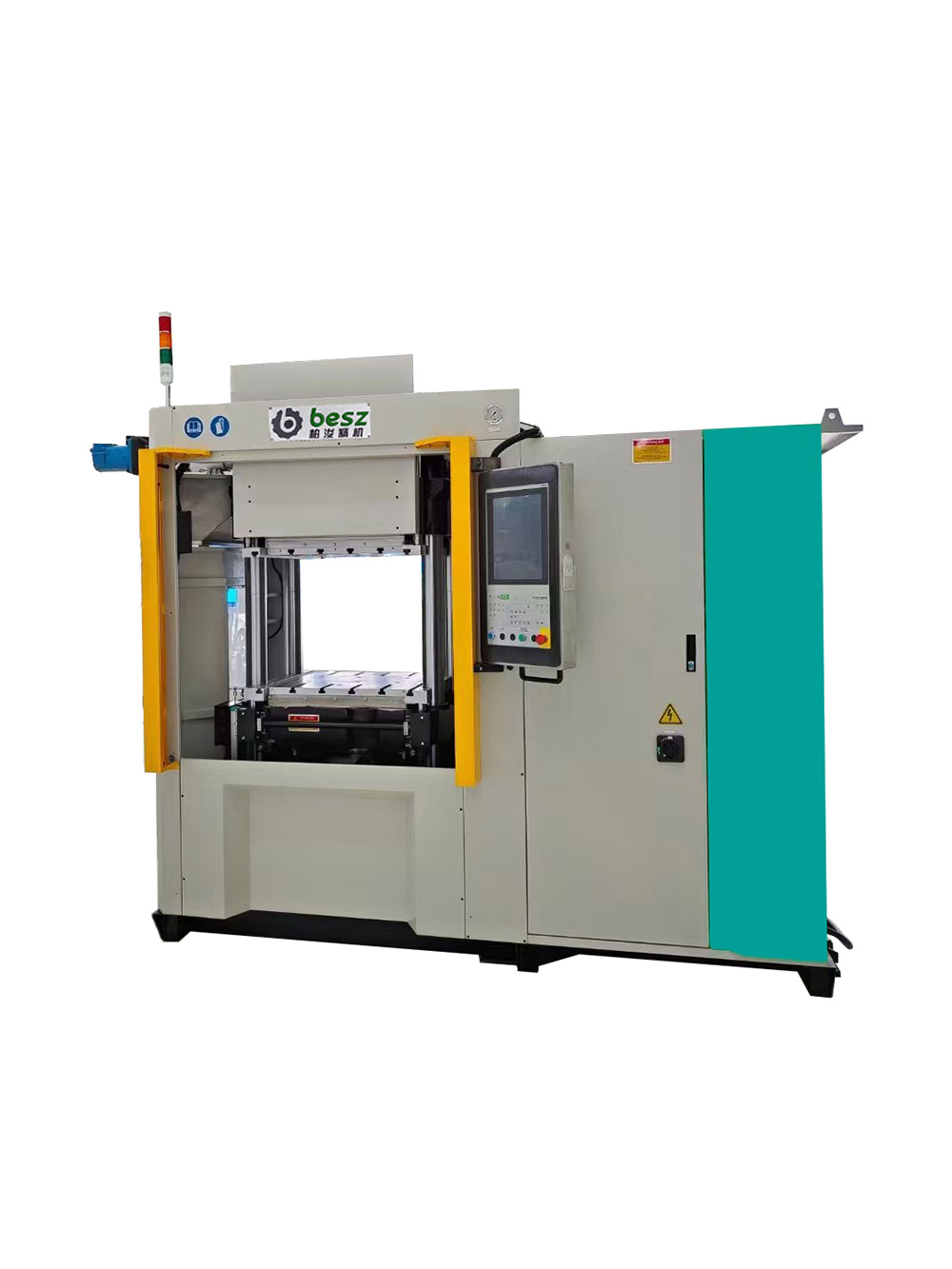
Ultra-high-precision hot pressing machine
The high-precision hot press molding machine (hereinafter referred to as the "High-Precision Machine") boasts core advantages such as positioning accuracy of ±0.01 mm, temperature control accuracy of ±1°C, and pressure accuracy of ±0.1 MPa. It focuses on the mass production of high-value, highly complex, and consistently reliable products, serving a range of strategic emerging industries.
-
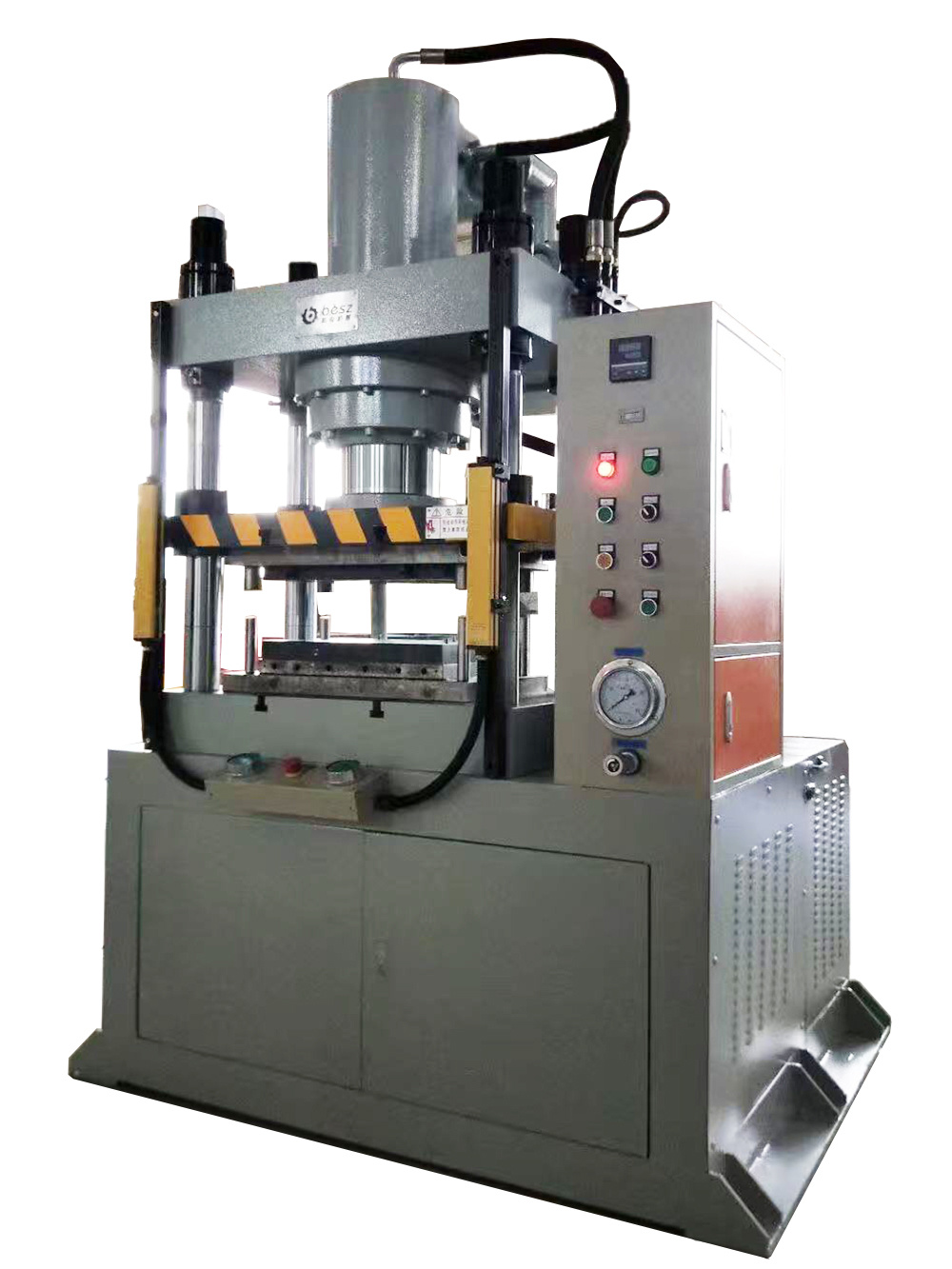
High-Precision Four-Column Top-Cylinder Hot Press Molding Machine
The high-precision four-column, upper-cylinder hot press is the core equipment for "high-precision hot pressing," offering "stable four-column guidance," "precise upper-cylinder actuation," and "accurate control of temperature and pressure." These features enable it to meet the "small-size, high-precision, mass-production" requirements of advanced products such as composite materials, electronic components, and metal items.
-
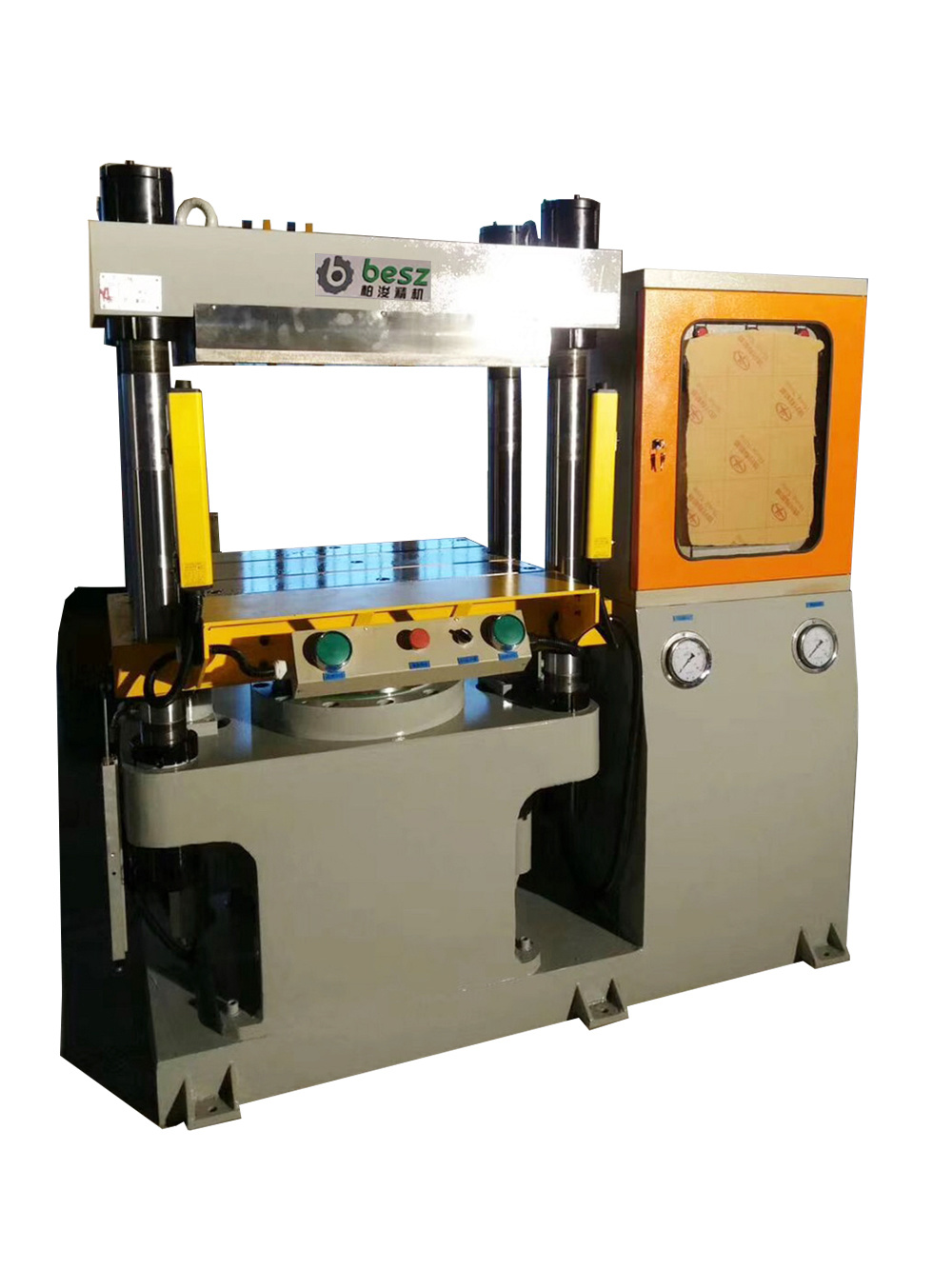
High-Precision Four-Column Bottom-Cylinder Hot Press Molding Machine
The high-precision four-column, bottom-cylinder hot press is the core equipment for "upward-pressure precision molding." Its "rigid four-column structure," "stable bottom-cylinder drive," and "precise control of temperature and pressure" enable it to meet the "mass production + high-accuracy" demands across multiple industries, including rubber, composite materials, metals, and eco-friendly products.
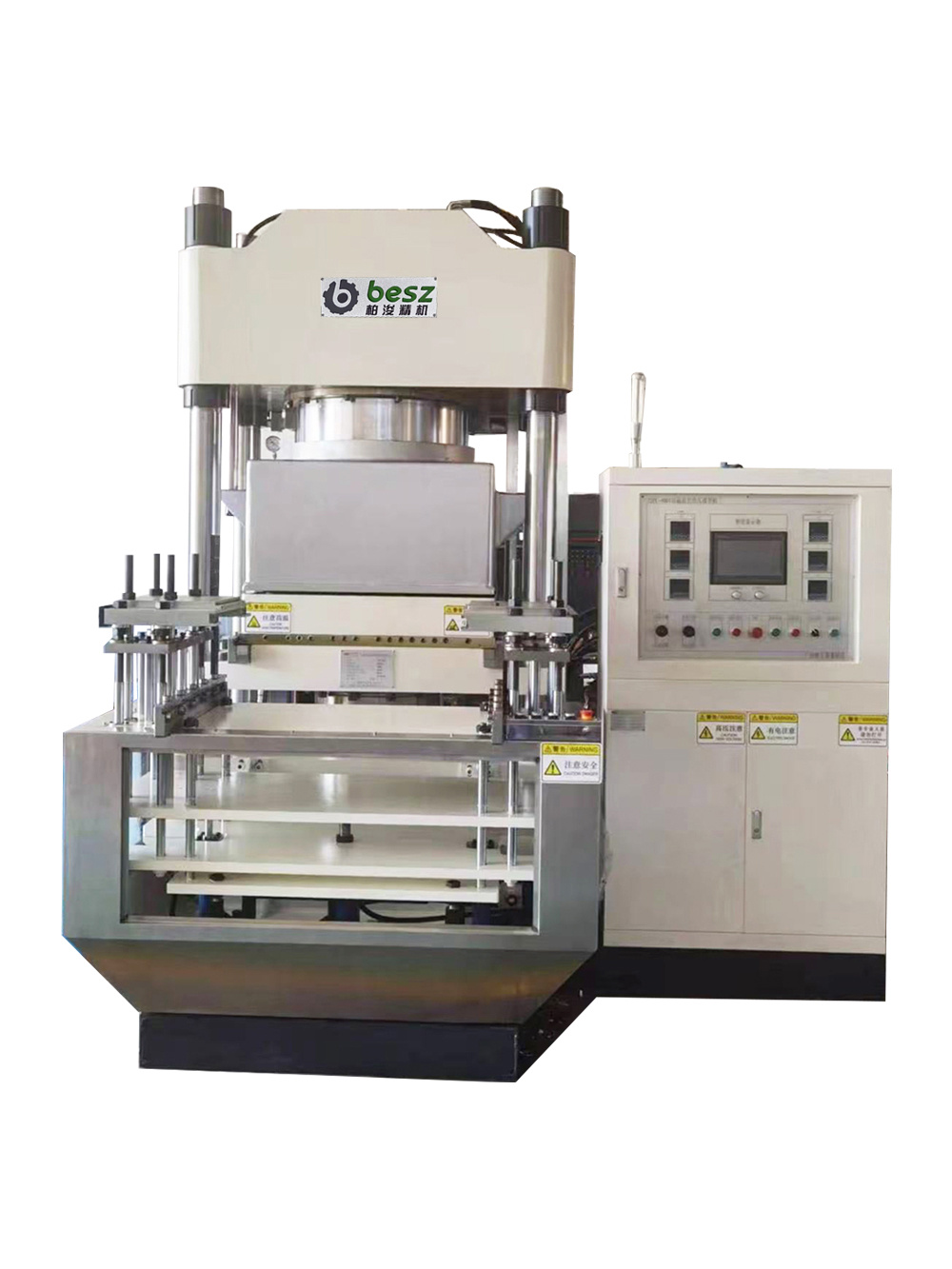
Multi-layer four-column composite material hot press molding machine
-
High-Precision Four-Column Multi-Layer Composite Material Hot Press Molding Machine
The high-precision four-column multi-layer hot press molding machine is a key piece of equipment for mass-producing multi-material components, combining the "stability of the four-column structure," the "efficiency of the multi-layer heating plates," and the "reliability of high-precision control."
-
Multilayer Composite Hot Press Molding Machine
The multi-layer composite hot press is a key piece of equipment for the mass production of multi-material components, combining the "stability of a four-column structure," the "efficiency of multi-layer heating plates," and the "reliability of high-precision control."
Multi-layer Frame-Type Composite Material Hot Press Molding Machine
-
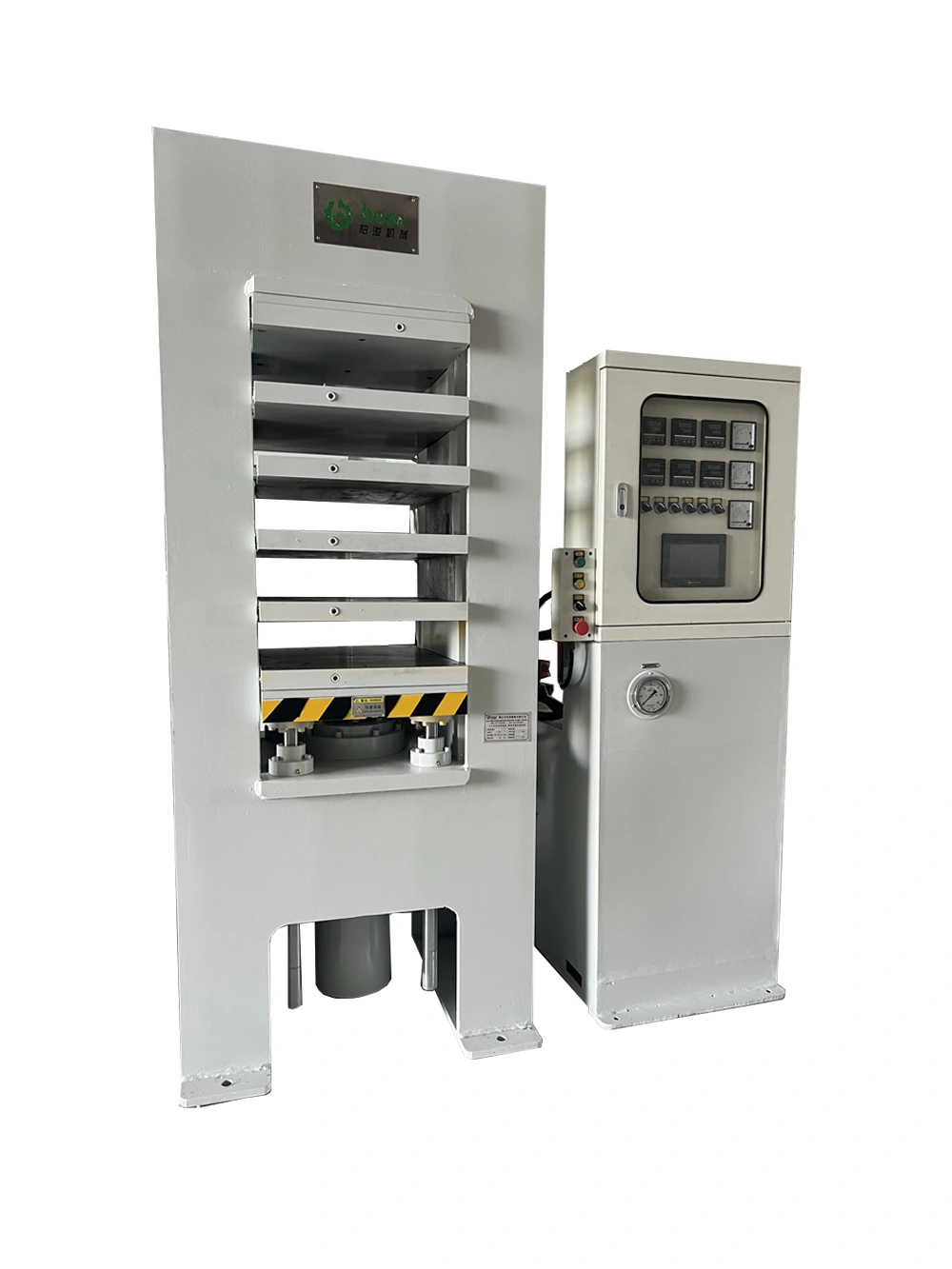
Frame-type Multi-layer Composite Material Hot Press Molding Machine / Hot Press
Primarily suited for the thermoset molding processes of composite material sheets such as carbon fiber and glass fiber, as well as for the compression molding of 3D structural components. Specifically applied in the thermoset processing of composite parts used in automotive accessories, sports equipment, mobile phone components, and other 3C electronics industry products.
-
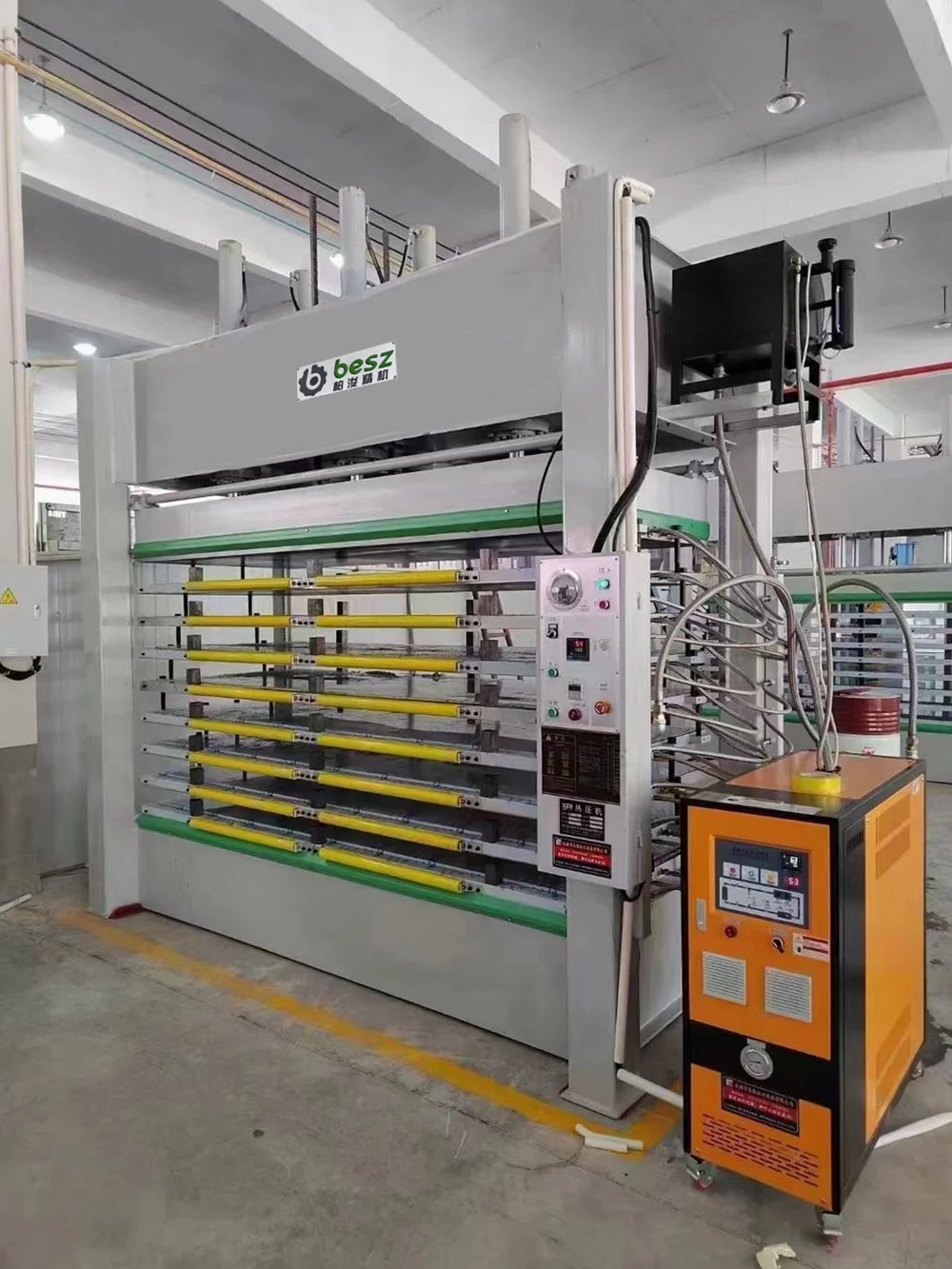
Frame-type Composite Material Hot Press Molding Machine / Hot Press
The frame-type multi-layer composite material hot-pressing machine is the "core equipment" for large-scale production of high-end composites, with its "stable frame structure," "efficient multi-layer design," and "reliable high-precision control," making it a critical support for lightweight yet high-strength products in industries such as aerospace, automotive manufacturing, and sports equipment.
Closed-Loop High-Temperature Vacuum Hot Press Machine
-
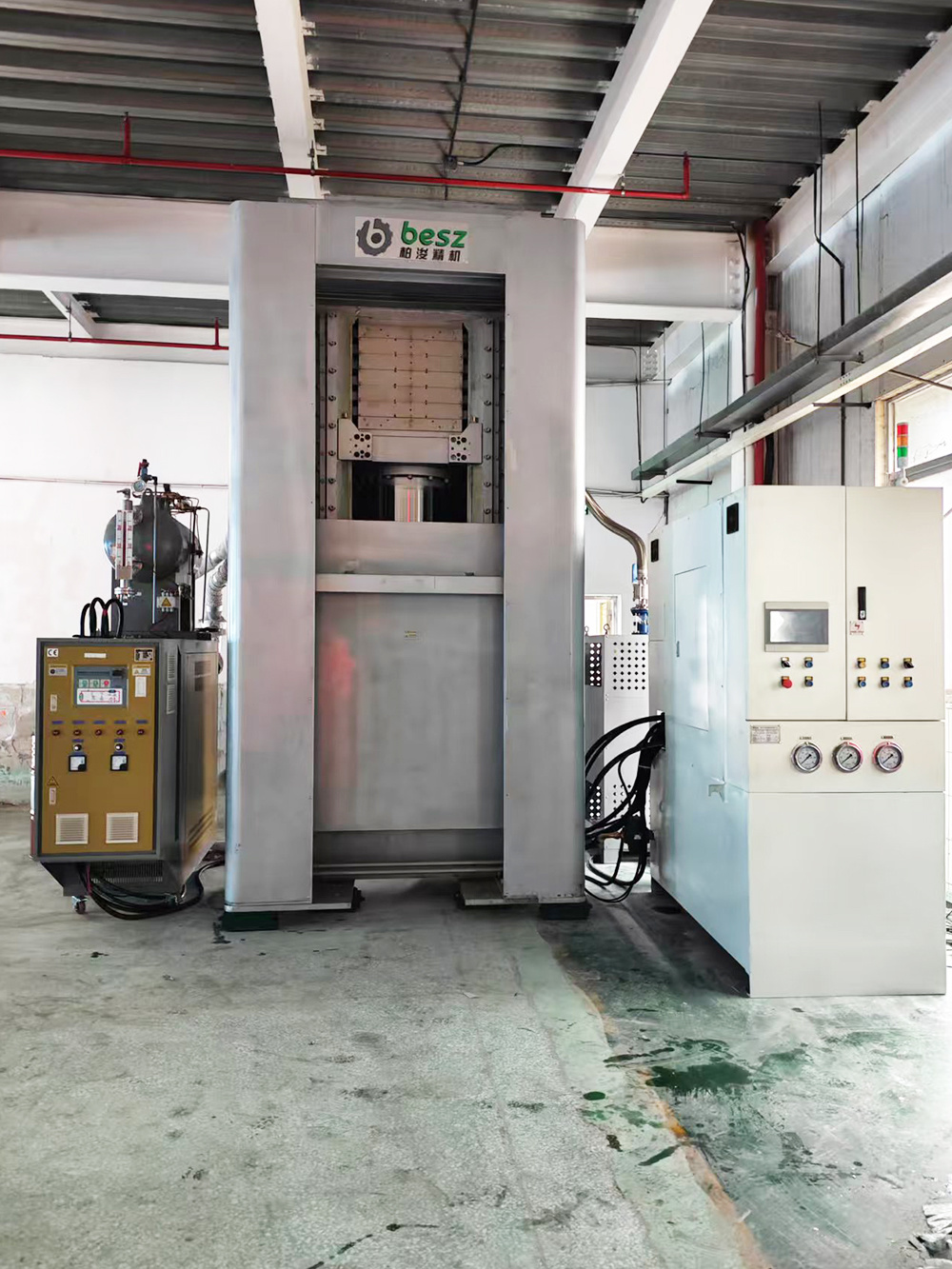
Vacuum Multi-Layer Hot Press Molding Machine
This model is primarily used in the production process of products requiring exceptionally high quality, particularly those made using carbon fiber or glass fiber compression molding. Both the molds and materials are cured and shaped under vacuum conditions at elevated temperatures, ensuring that the final products are free from defects such as air bubbles. Additionally, it is also suitable for thermocompression bonding of metal materials at low temperatures—between 300 and 400 degrees Celsius—and in a vacuum environment, effectively preventing oxidation during the process.
-
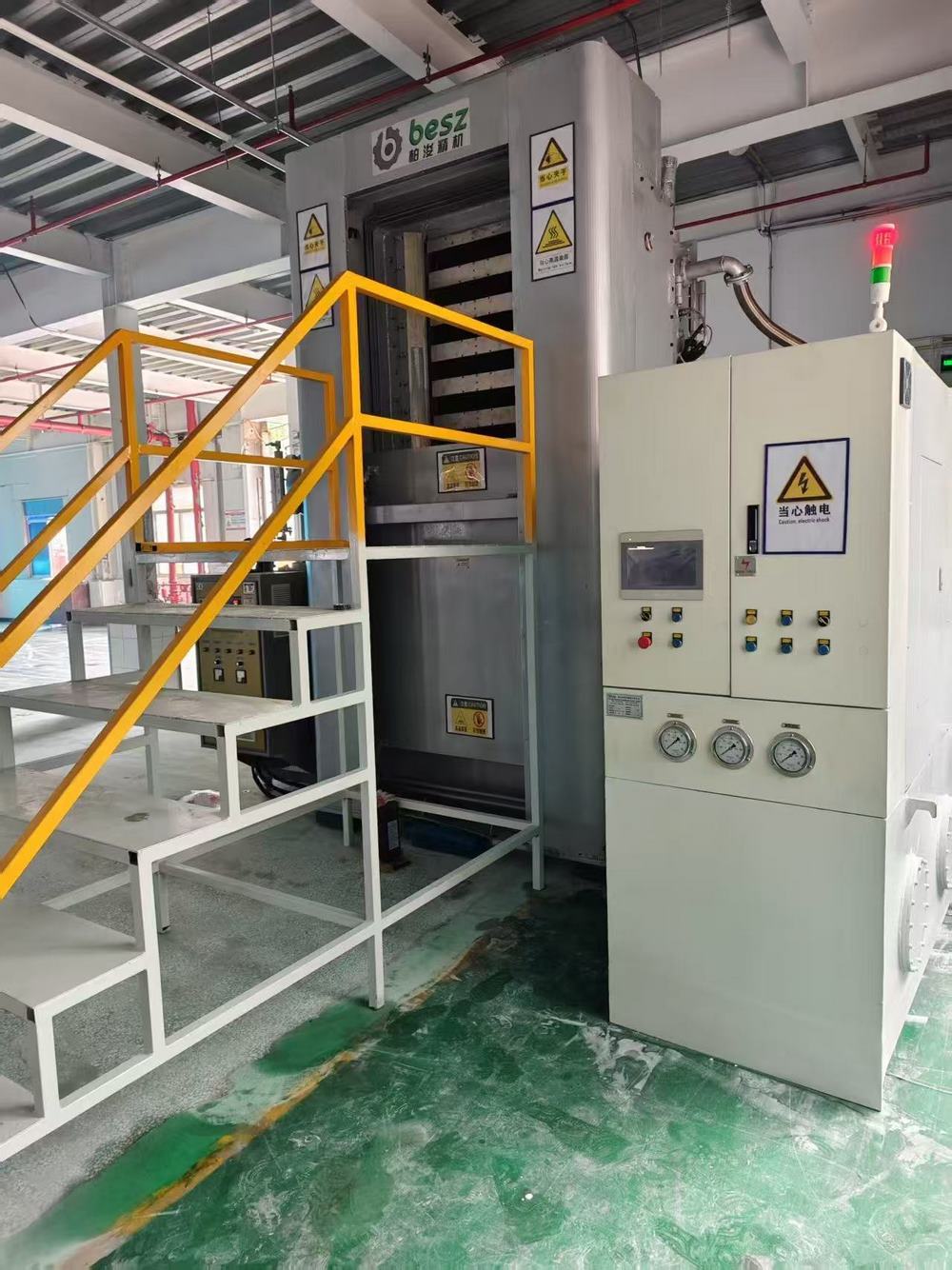
Vacuum High-Temperature Multi-Layer Hot Pressing Machine
The core value of the high-temperature vacuum hot-pressing machine lies in achieving high-performance material molding through the combination of "high temperature + vacuum + precise control." Its features—such as "high-temperature adaptability, ultra-high vacuum purity, and advanced precision control"—make it an indispensable piece of equipment in cutting-edge manufacturing fields like ceramics, semiconductors, and composite materials.
High-Temperature Four-Column Hot Press Machine
Large-surface Non-Standard Customized Hot-Press Molding Machine
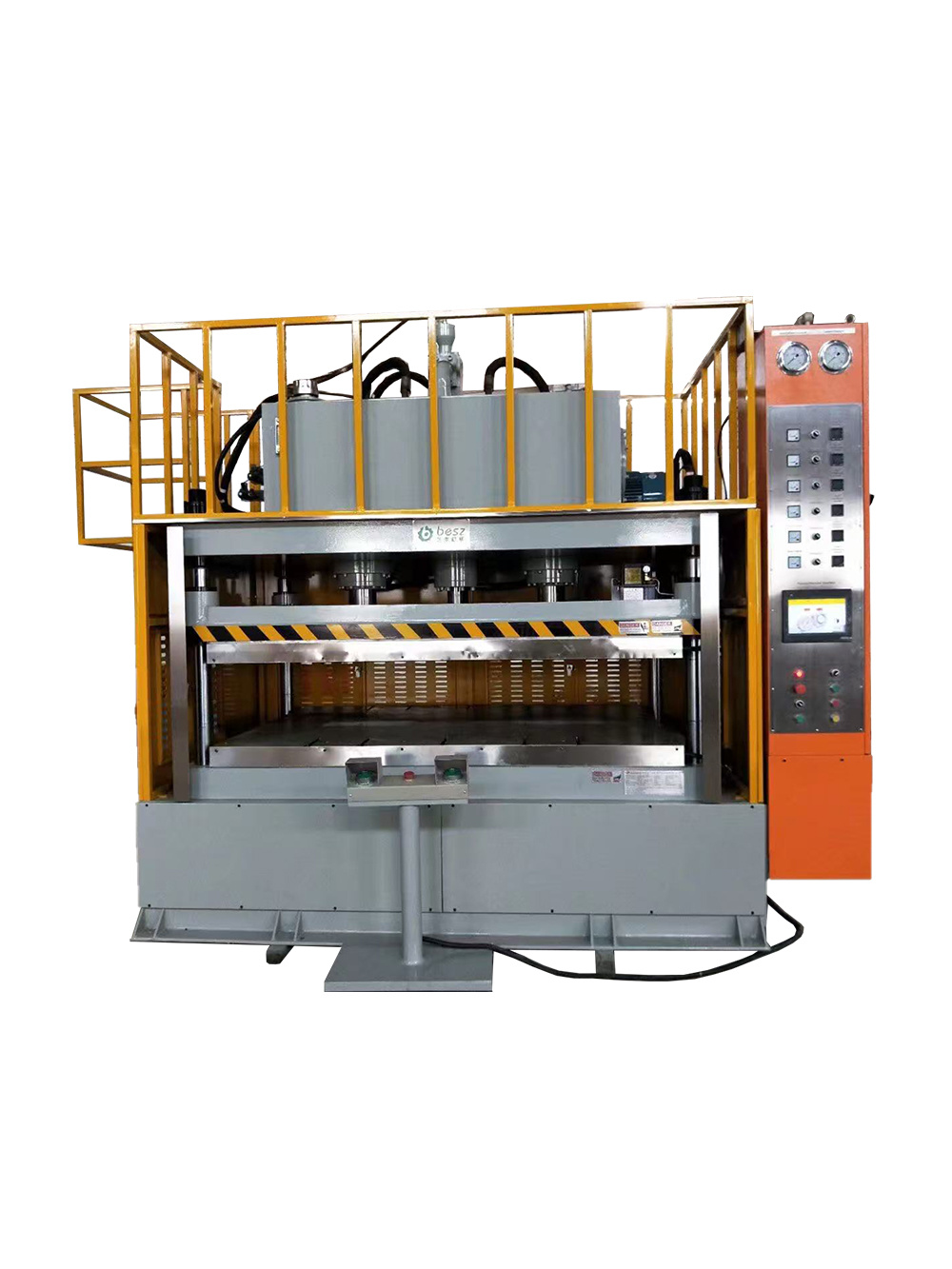
Automatic Baking Tray Heating Molding Machine
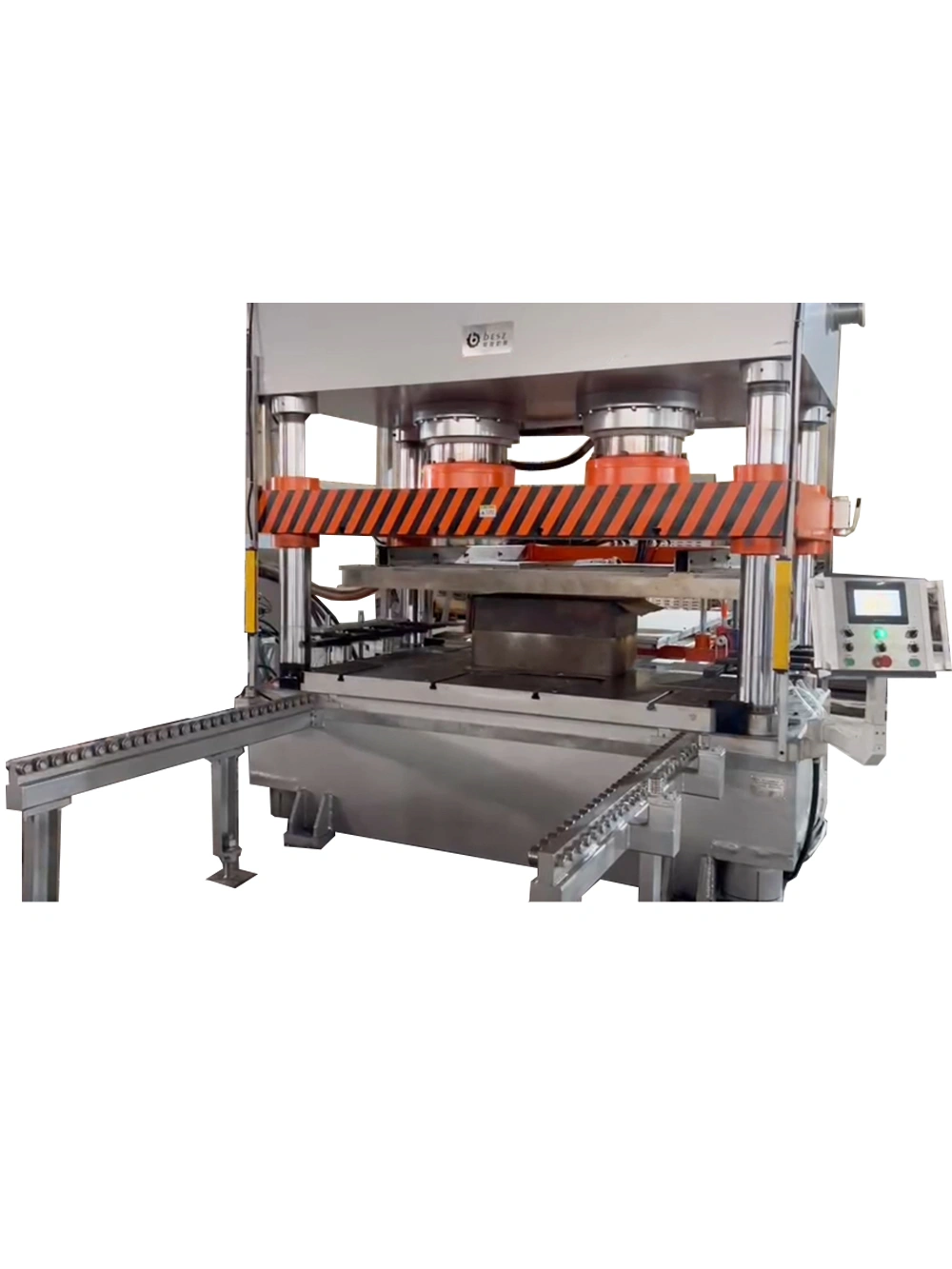
Servo hydraulic press
Precision Servo Hydraulic Press
-
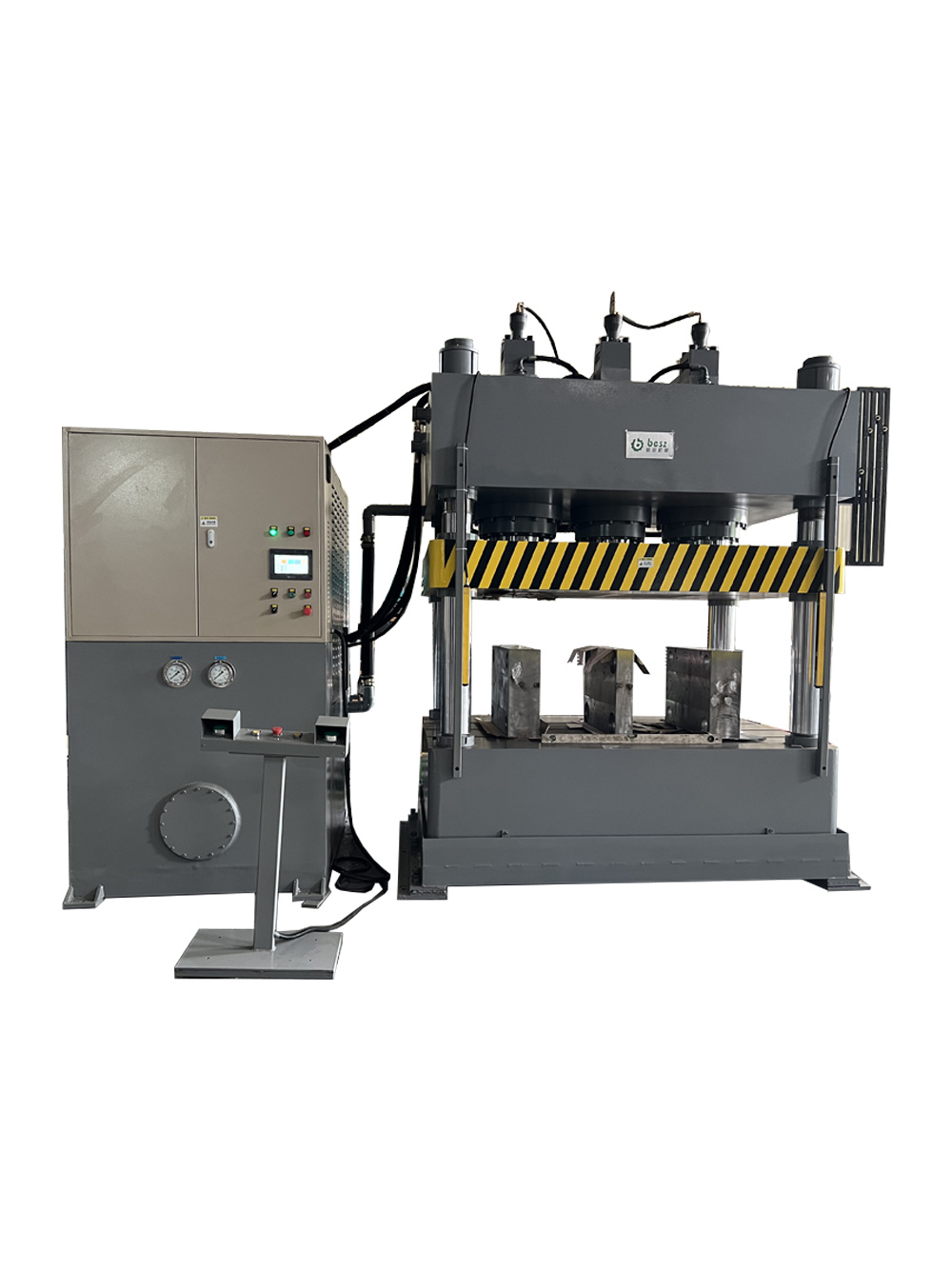
Servo Hydraulic Press
The full name of the servo hydraulic press is: Precision Intelligent CNC Servo Hydraulic Press. It features a CNC system equipped with a human-machine interface powered by a servo-driven oil pump system, enabling users to set pressing parameters and view real-time pressing data. Additionally, the system includes an integrated online inspection function for monitoring the quality of pressed products during operation.
-
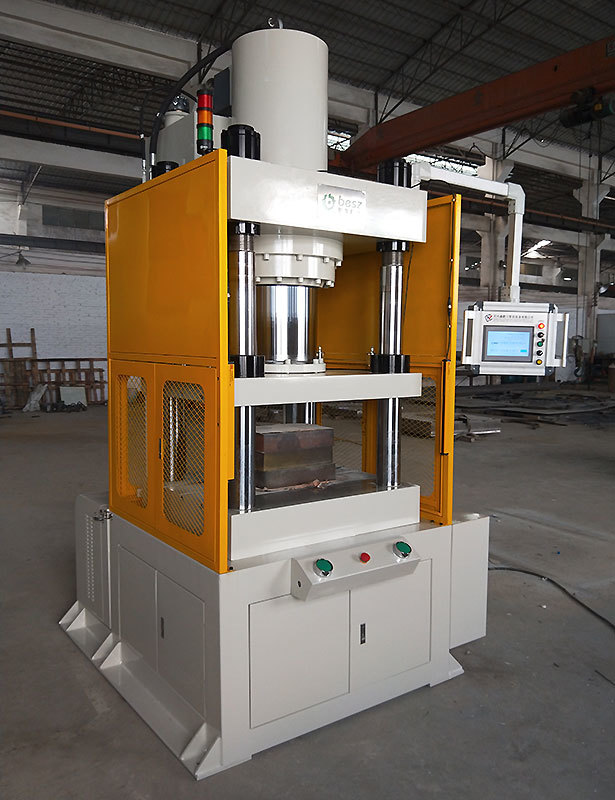
Precision Servo Hydraulic Press
The full name of the servo hydraulic press is: Precision Intelligent CNC Servo Hydraulic Press. It features a CNC system equipped with a human-machine interface powered by a servo-driven oil pump system, enabling users to set pressing parameters and view real-time pressing data. Additionally, the system includes an integrated online inspection function for monitoring the quality of pressed products during operation.
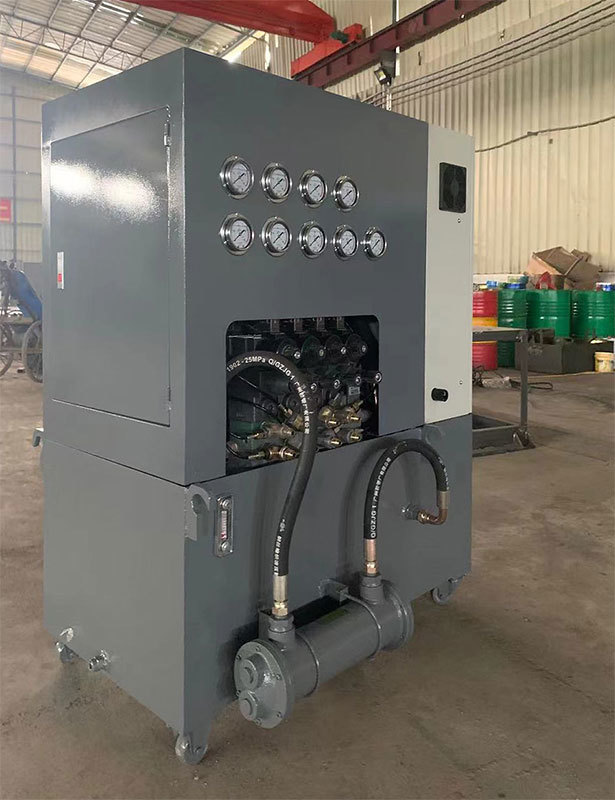
Servo Electric Cylinder Press
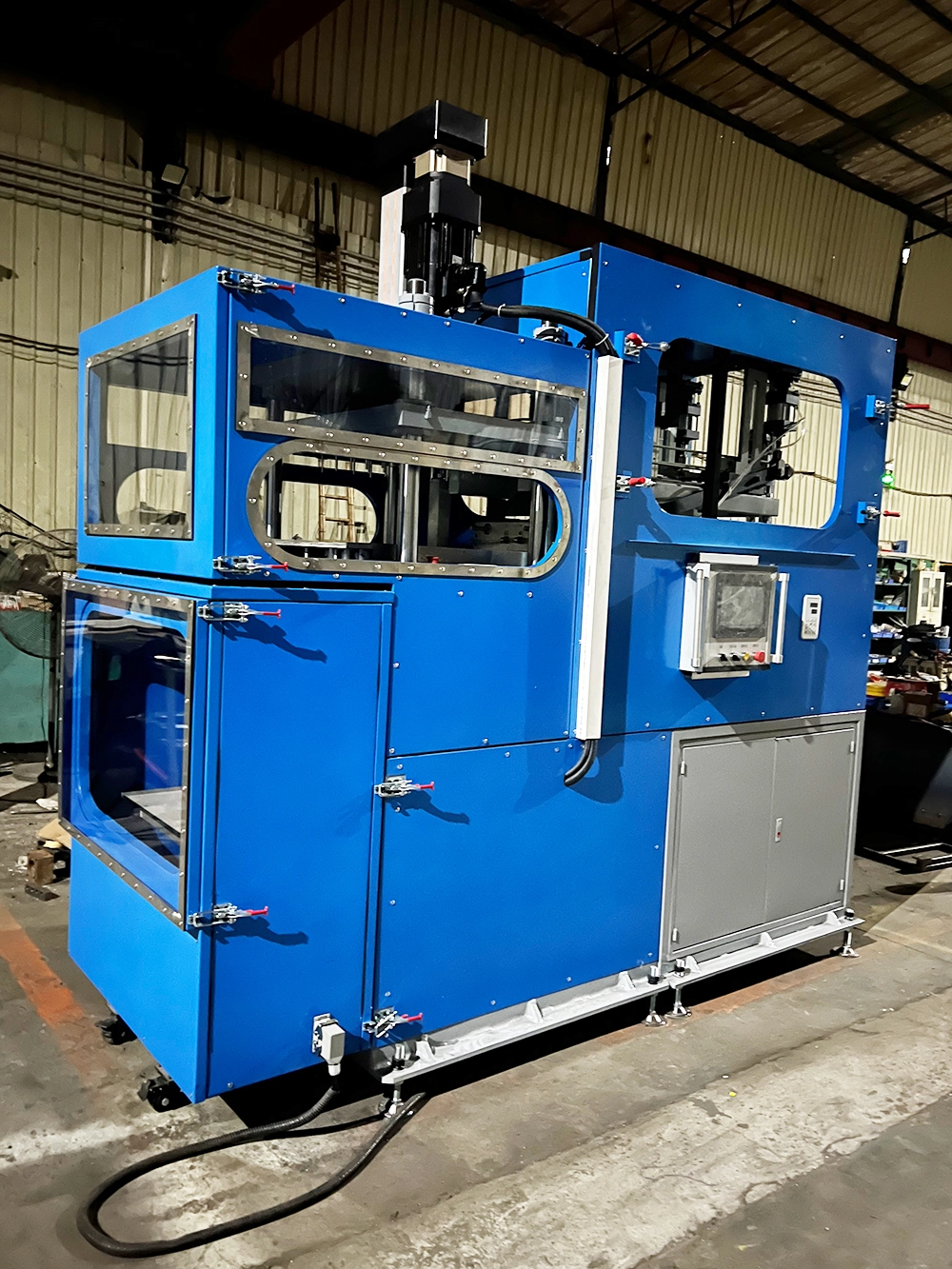
Precision Stamping Equipment and Dies
Precision Hydraulic Press
-
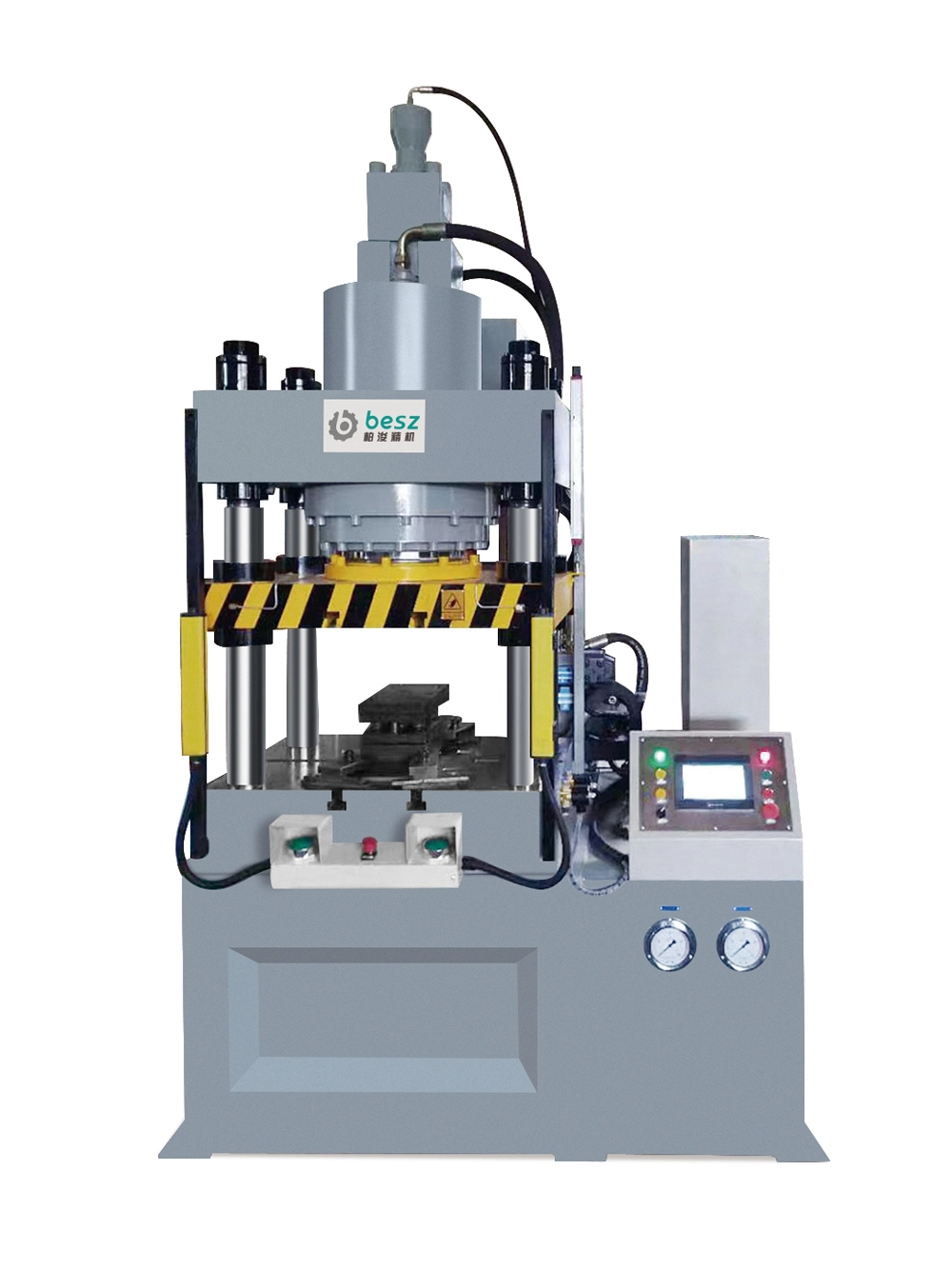
Four-Column Precision Punching Press
The precision punching machine features an all-steel, welded frame structure that combines the benefits of precision stamping and cold pressing. It delivers high cutting accuracy and produces clean, smooth shear surfaces, enabling one-step forming of finished products directly from the stamping process.
-
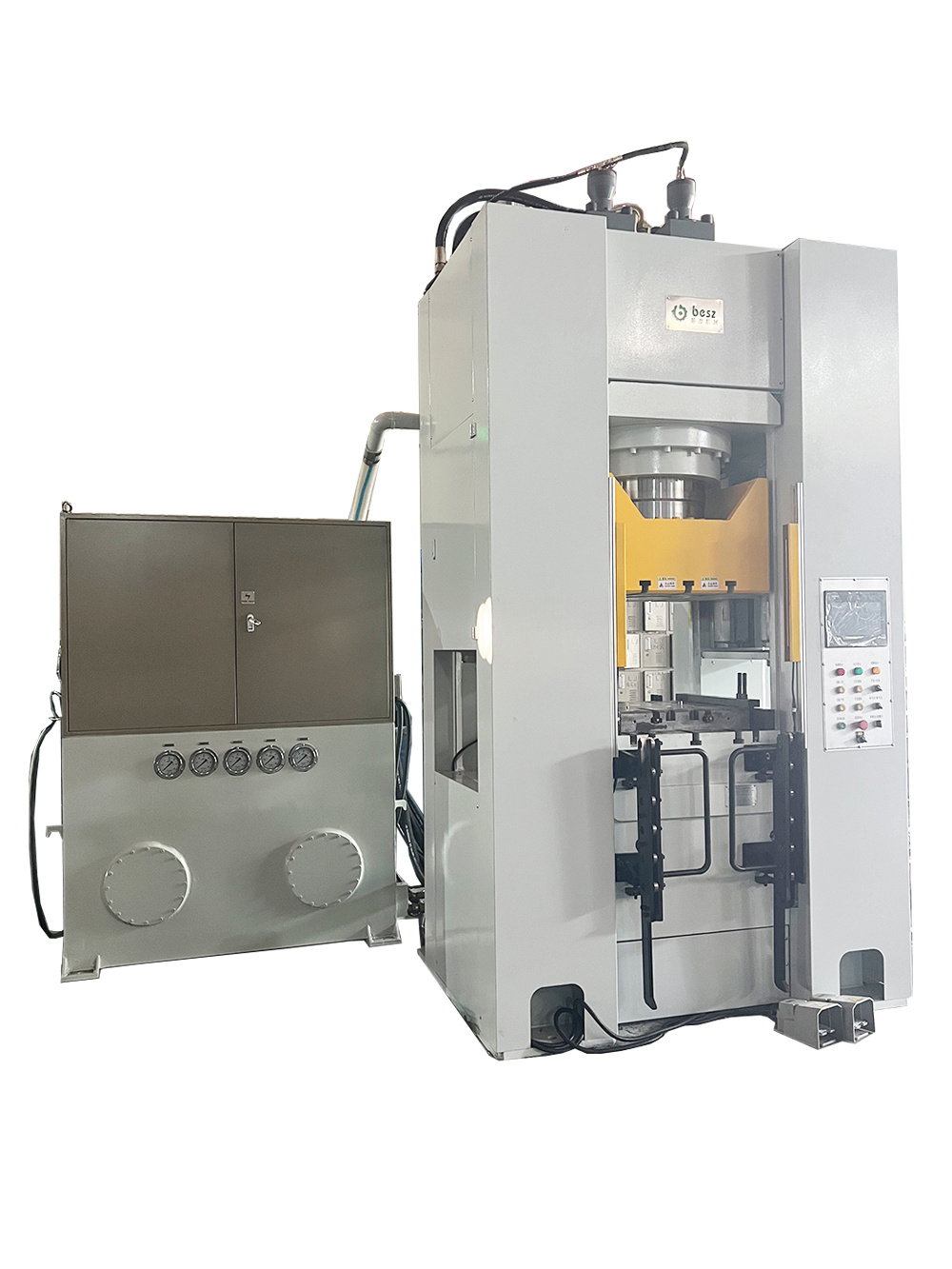
Gantry-Type Precision Punching Machine (Eight-Sided High-Precision Guidance)
The precision punching machine features an all-steel, welded frame structure that combines the benefits of precision stamping and cold pressing. It delivers high cutting accuracy and produces clean, smooth shear surfaces, enabling one-step forming of finished products directly from the stamping process.
-
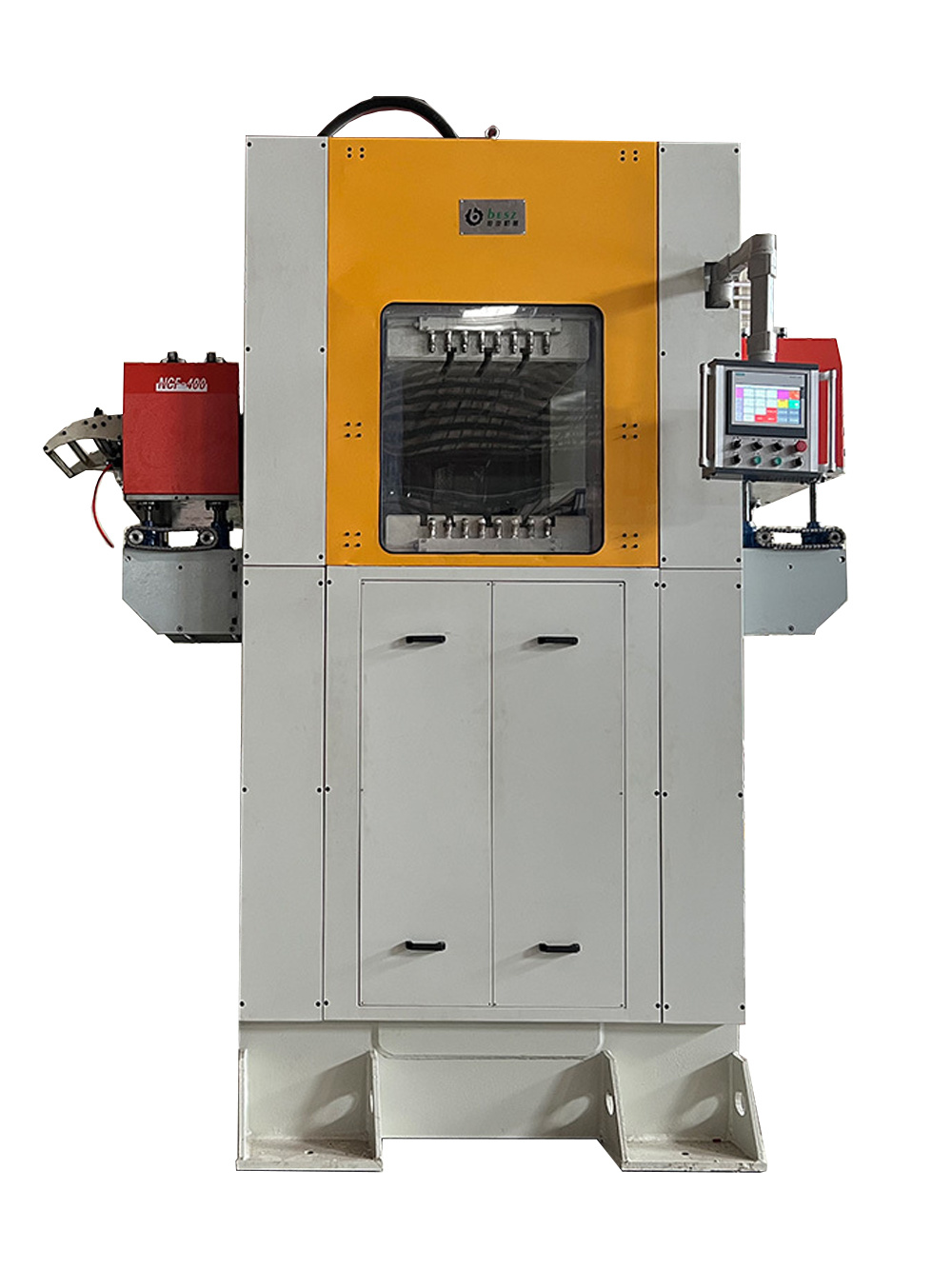
Automatic Precision Hydraulic Press
The Baijun Automatic Precision Punching Hydraulic Press features an all-steel, welded frame structure that combines the benefits of precision punching and cold pressing. It delivers high punching accuracy and excellent shearing surface finish, enabling one-step stamping and forming of finished products.
-
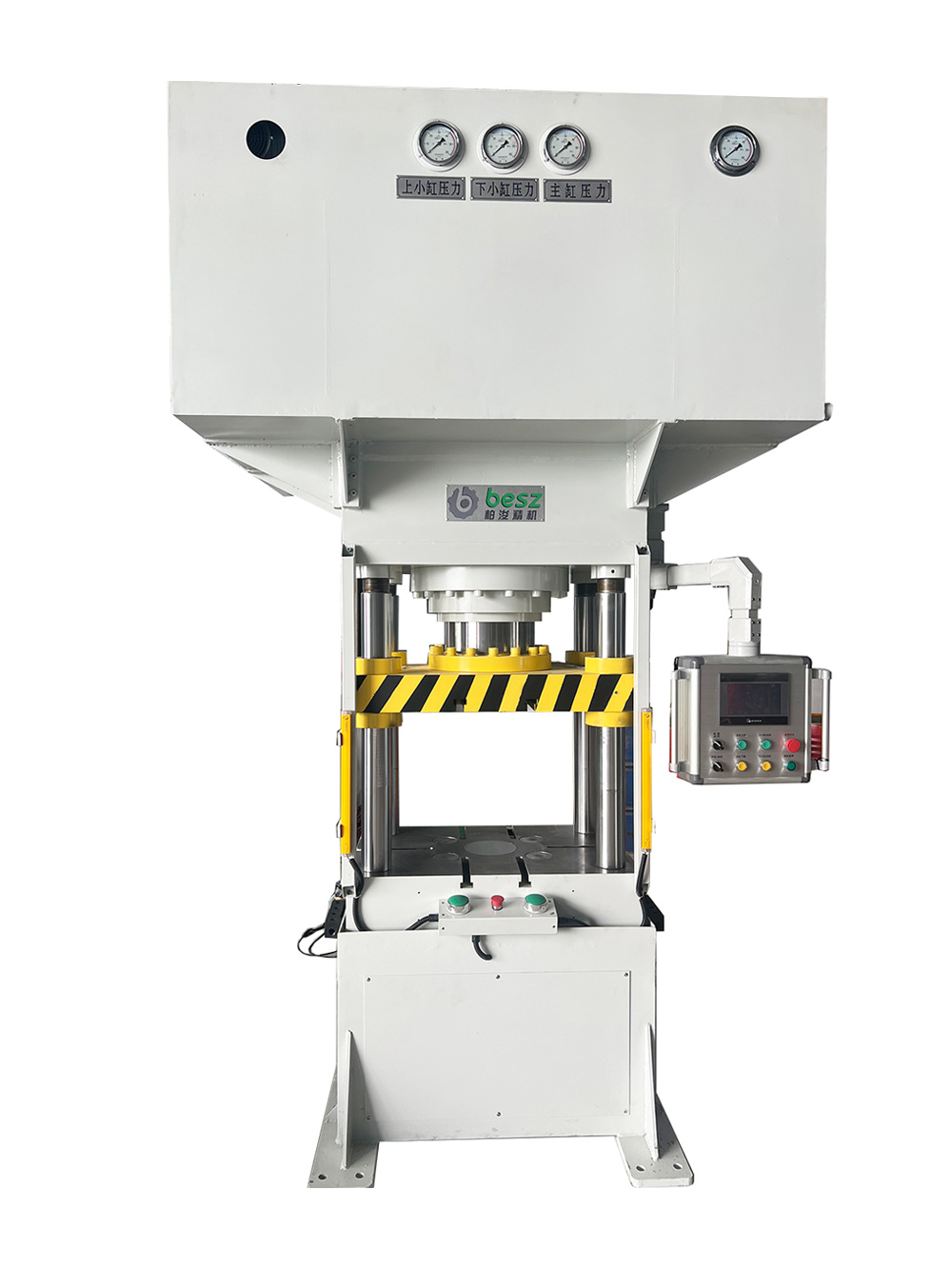
Four-column precision hydraulic press
The Baijun Four-Column Precision Hydraulic Press features an all-steel, welded frame structure that combines the precision stamping and cold pressing capabilities, delivering high cutting accuracy and exceptionally smooth shear surfaces—enabling one-step forming of finished products.
Precision Stamping Die
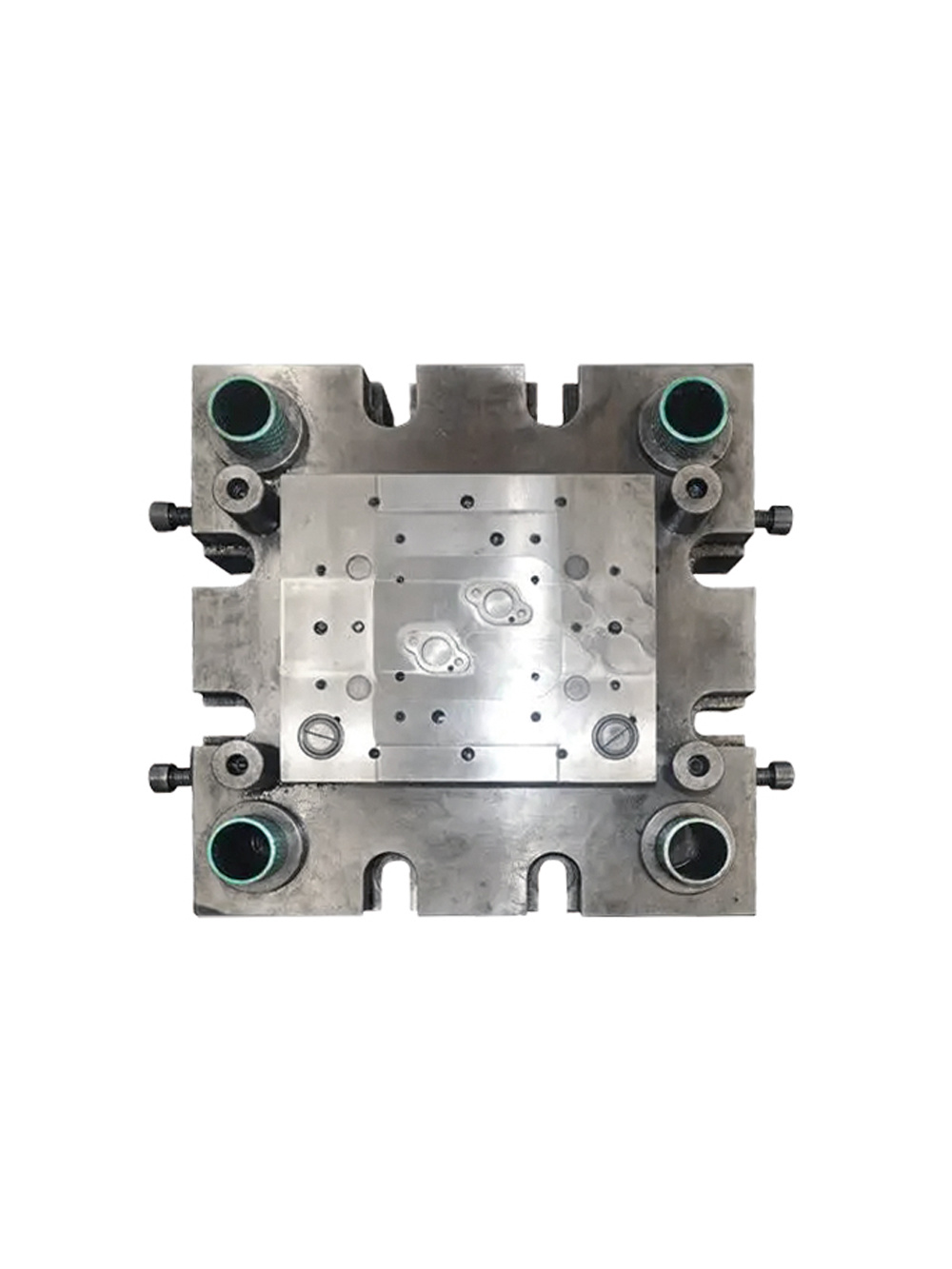
Powder-to-Shape Hydraulic Press
-
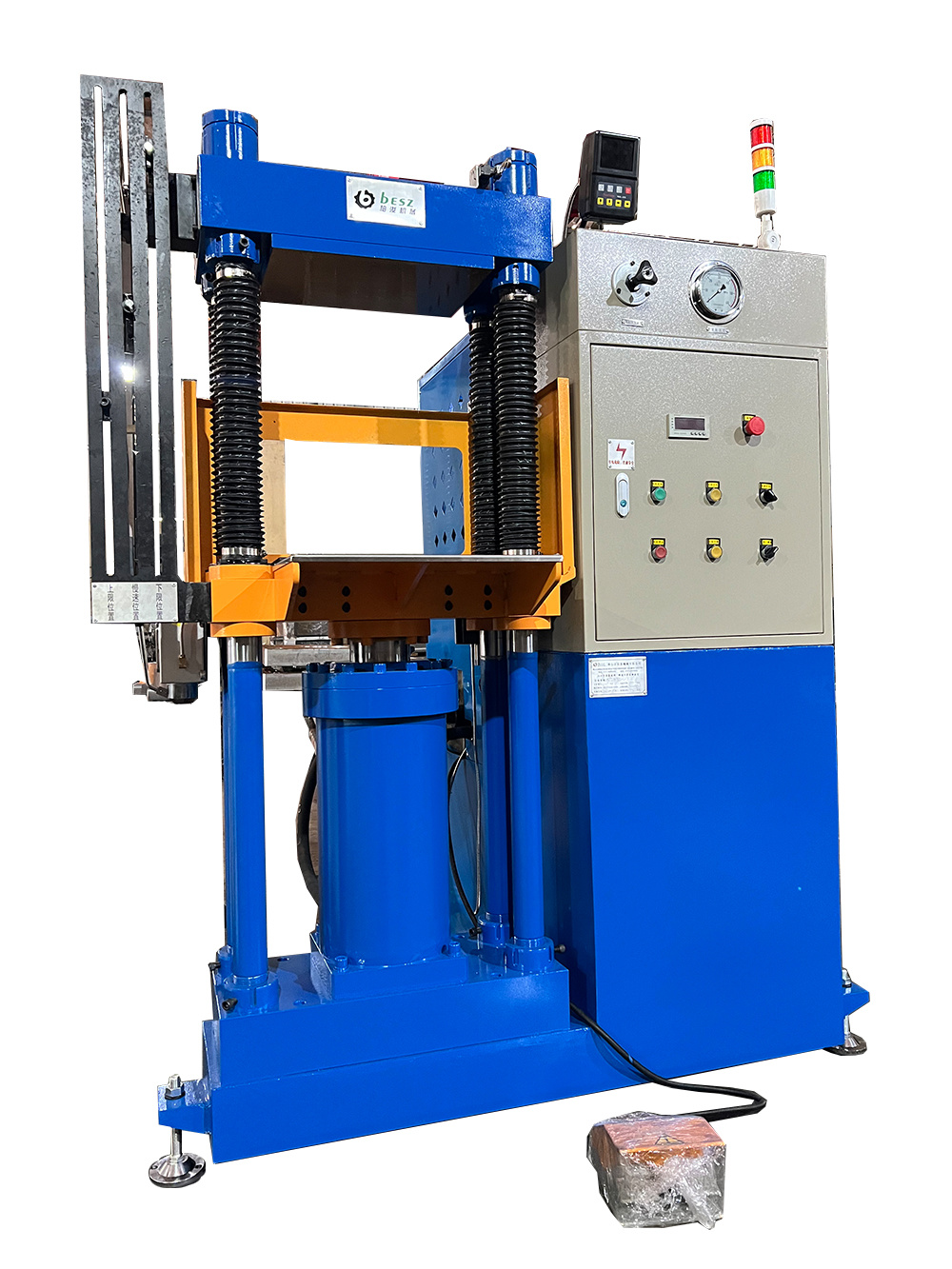
Powder Molding Hydraulic Press
-
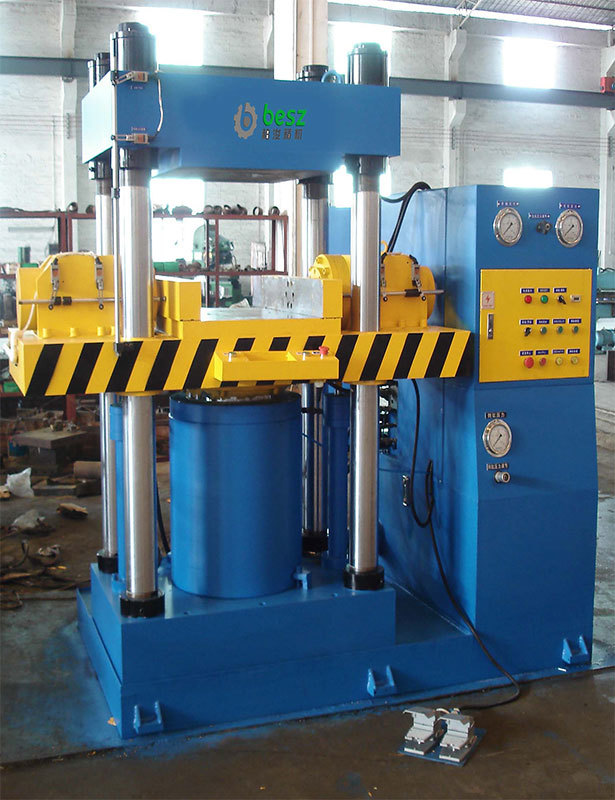
Universal Powder Molding Machine
The Baijun Powder Forming Machine (video) features servo motor-driven operation, with centralized control provided by a PLC and human-machine interface, enabling integrated mechanical, electrical, hydraulic, and pneumatic control.
-
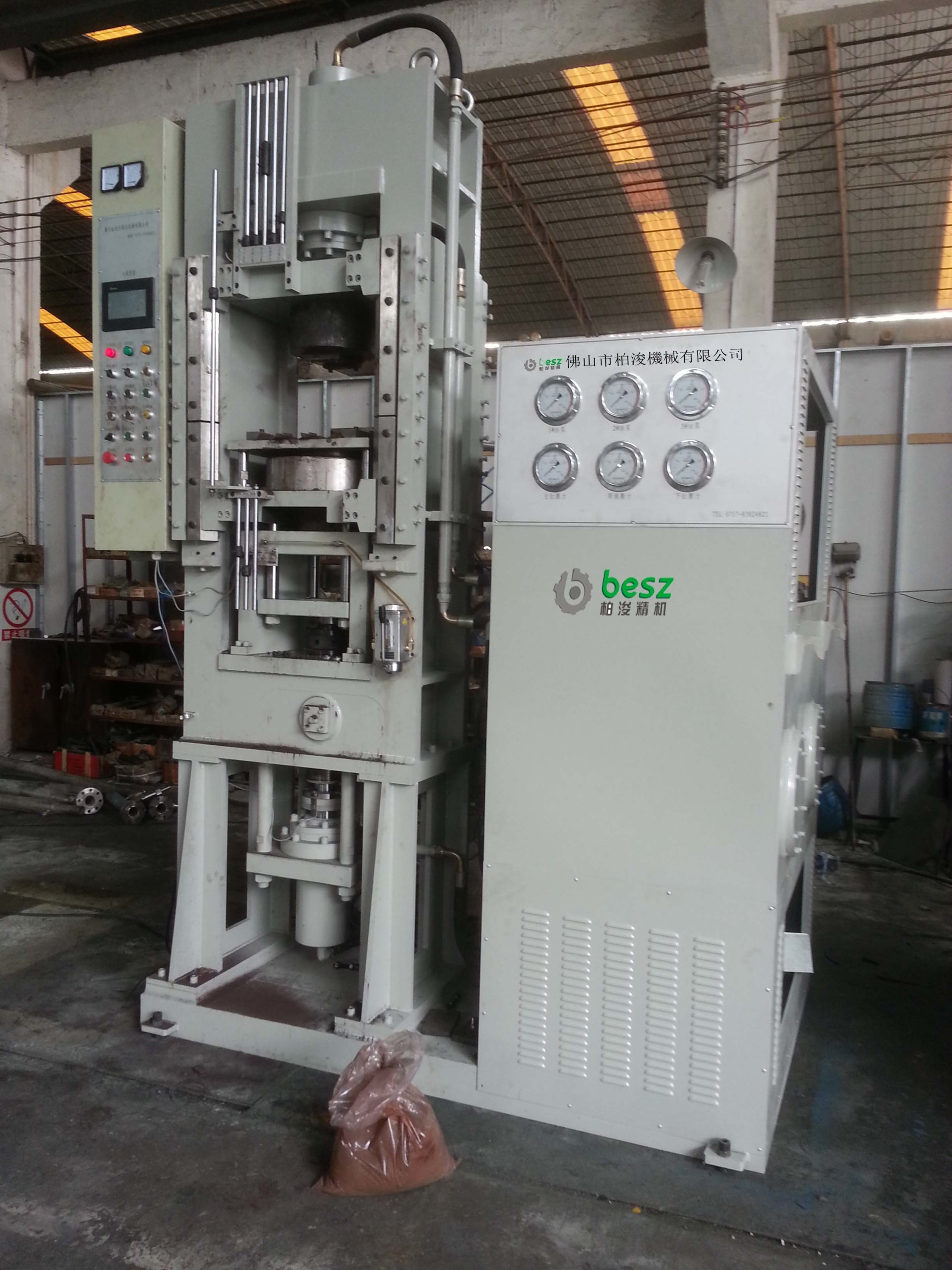
Automatic Hydraulic Press for Magnetic Materials
Die Casting Island Trimming Machine
Die Casting Island Trimming Machine
-
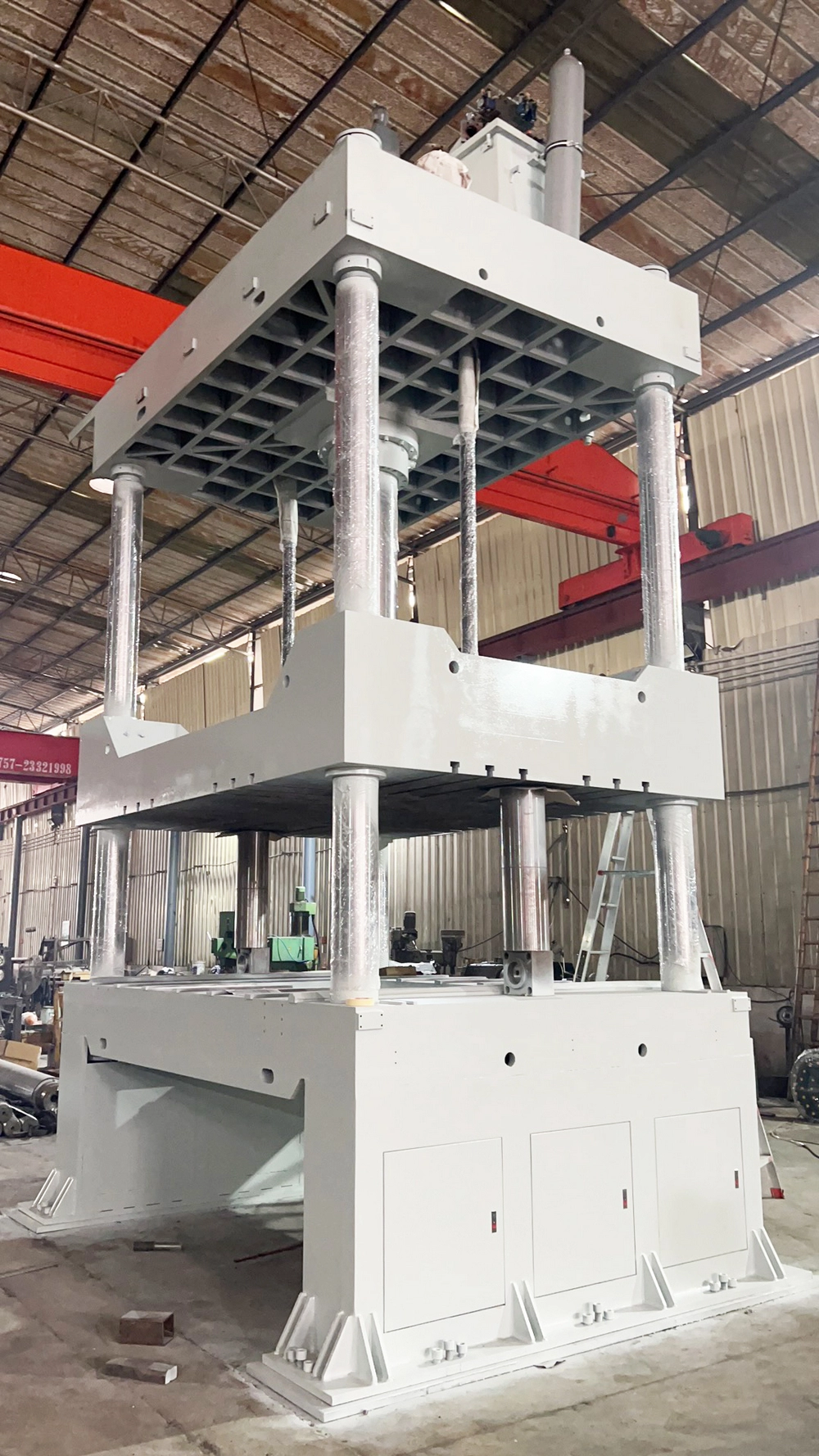
Die-casting island edge trimming hydraulic press
-
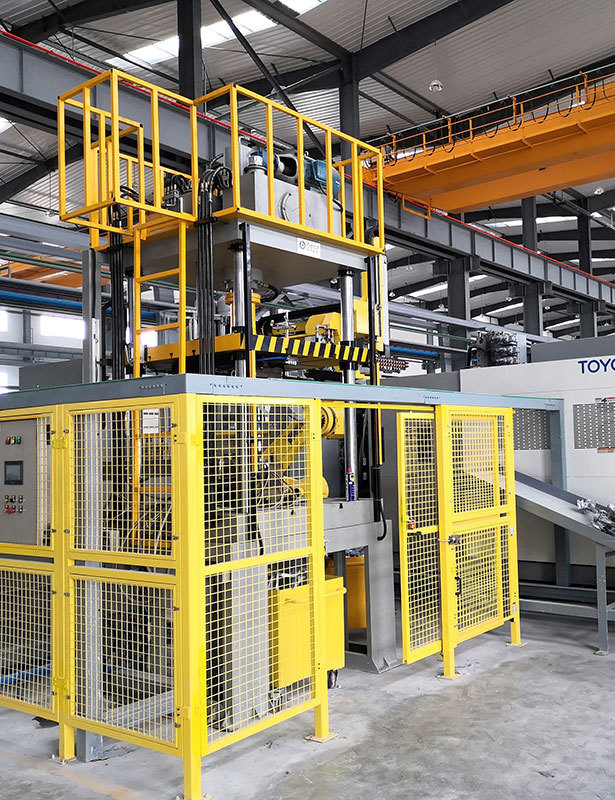
Automatic Edge-Cutting Machine for Die-Cast Parts on the Island
The Baijun Die Casting Island Internal Castings Automatic Deburring Machine / Die Casting Island Internal Castings Deburring Machine / Die-Cast Hydraulic Runner Deburring Machine is a core piece of equipment designed to complement precision die casting machines. After conducting extensive research and gathering feedback from numerous die-casting manufacturers, Baijun has launched its 7th-generation peripheral equipment for die casting islands—the Die Casting Island Internal Castings Runner Deburring Machine.
-
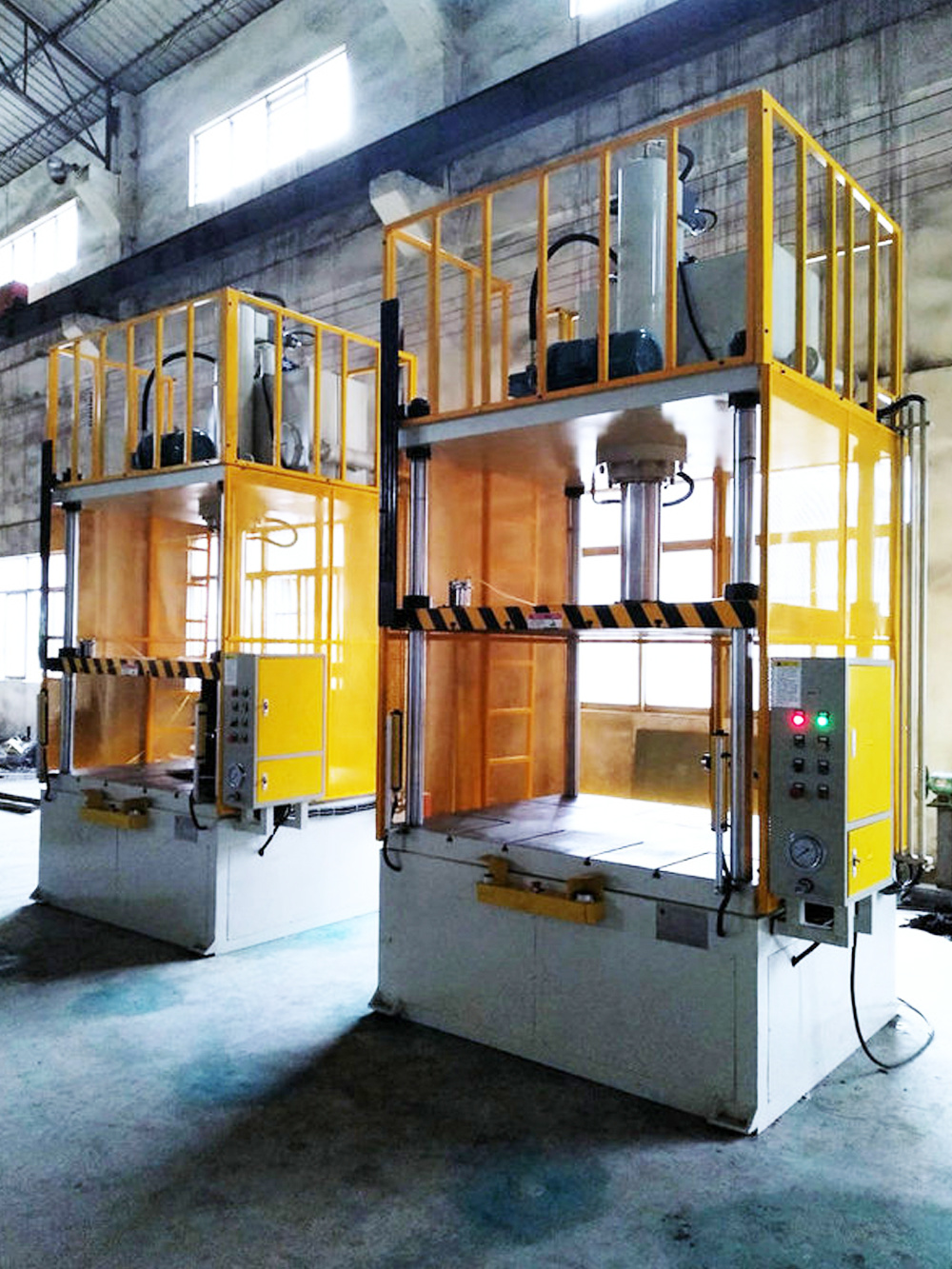
Die-casting trimmer
The die-casting trimmer machine features a four-column, three-plate frame structure and an advanced master-slave cylinder hydraulic circuit. It outperforms conventional hydraulic presses in terms of noise levels, speed, and power consumption, making it a highly efficient, high-speed, high-force, and environmentally friendly next-generation hydraulic press designed specifically for cutting sprues from die-cast parts. This machine is widely used across the die-casting industry.
Six-Axis Robot Picking and Placing Project
Brake Pad Equipment
Steel-backed precision punching machine
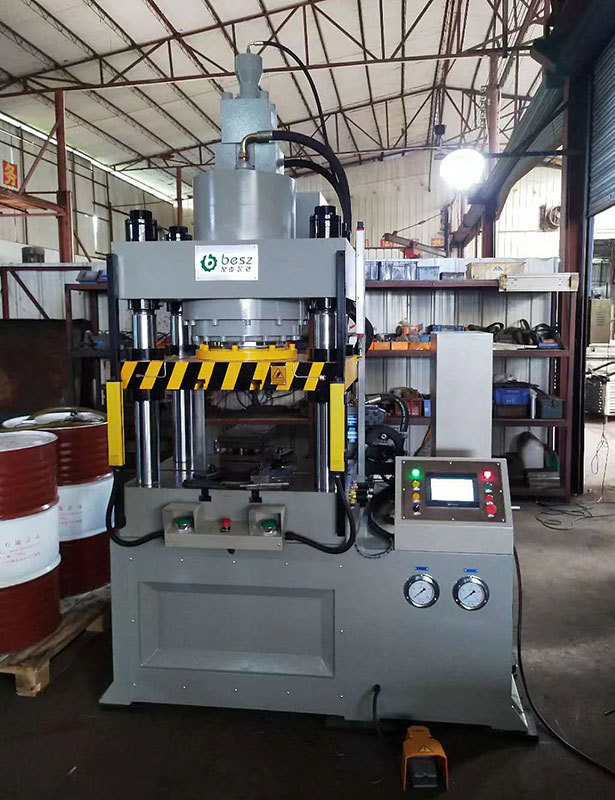
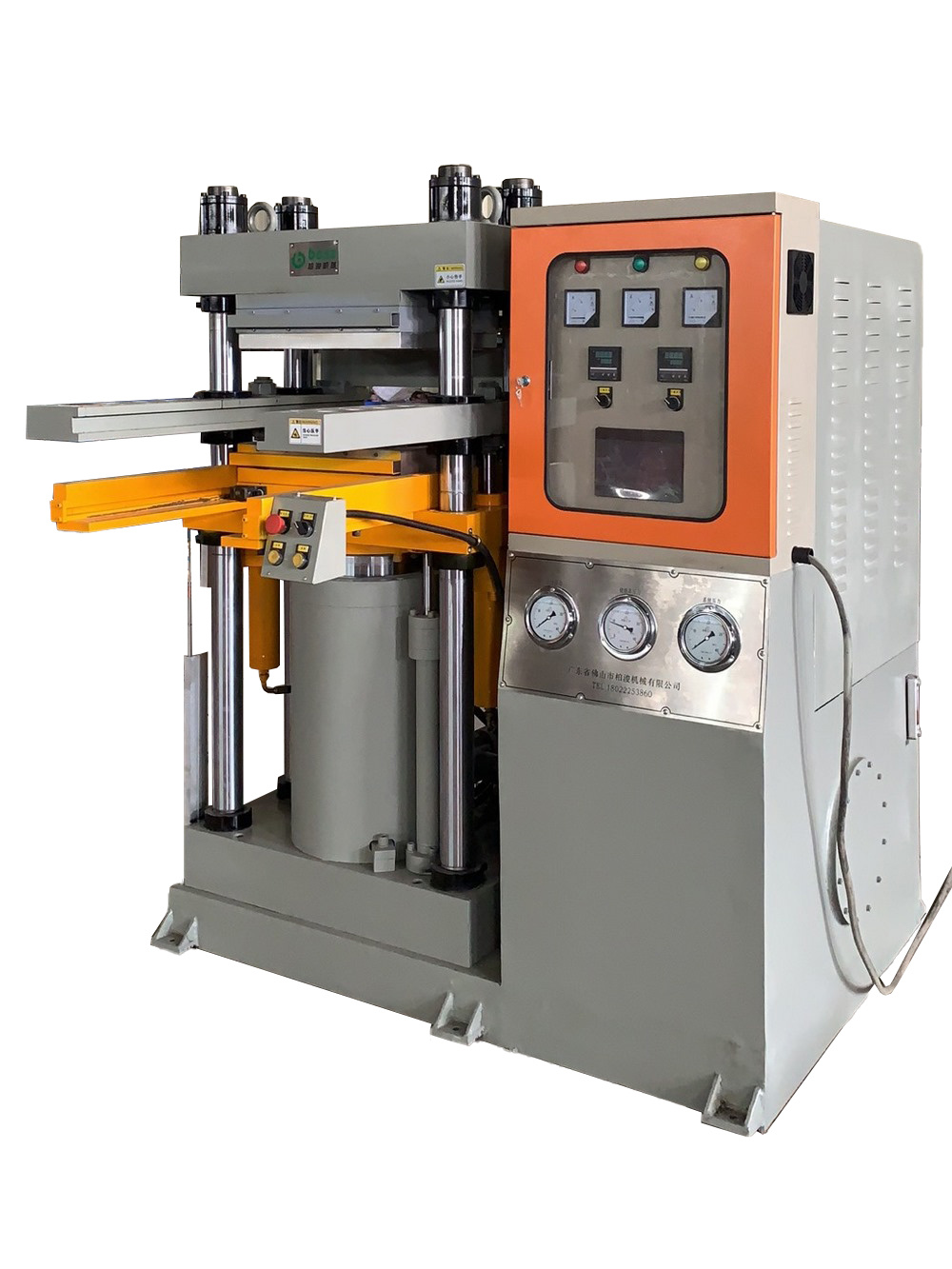
Steel-backed Automatic Feeder
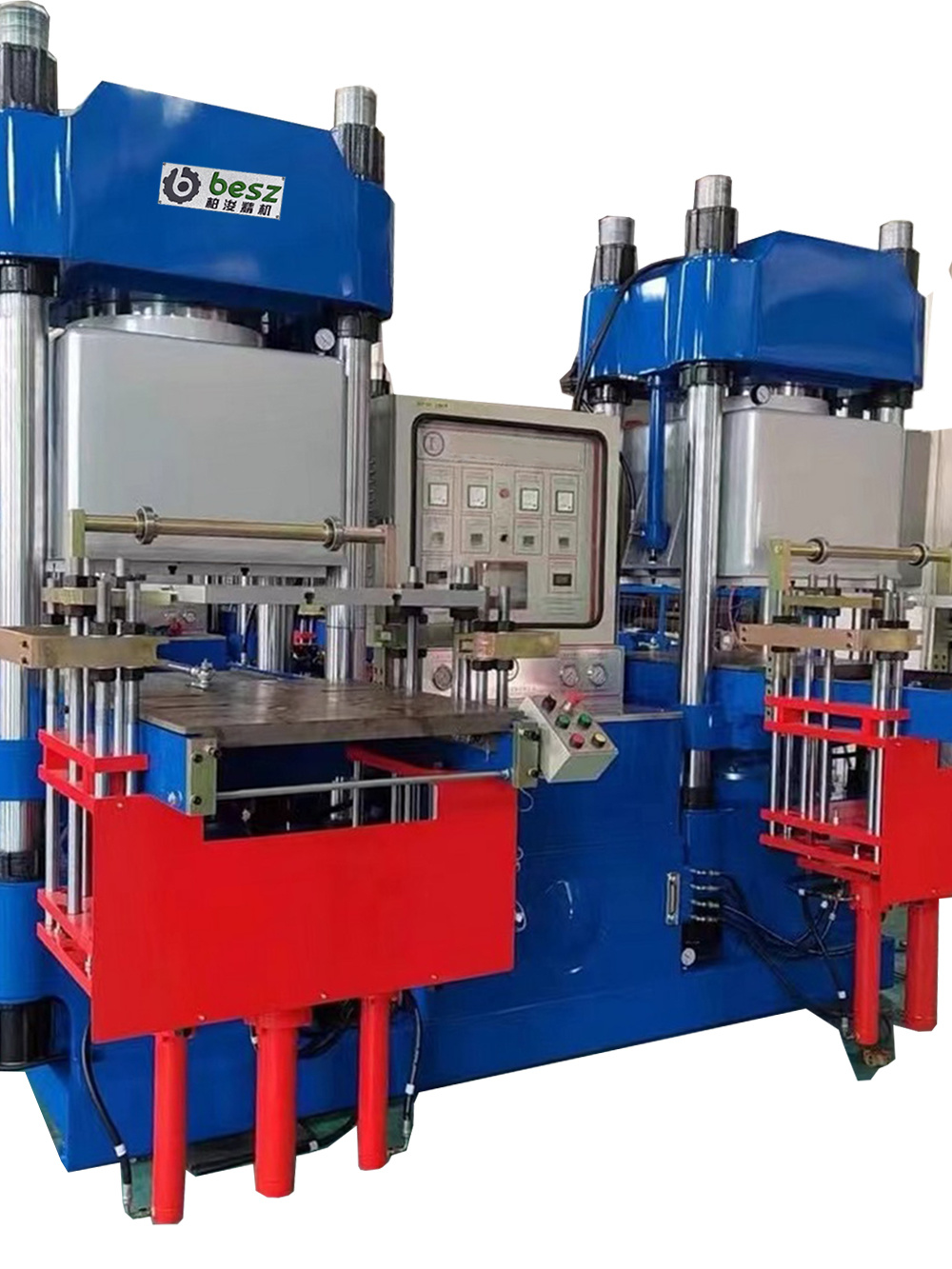
Quick Stretching Machine Series
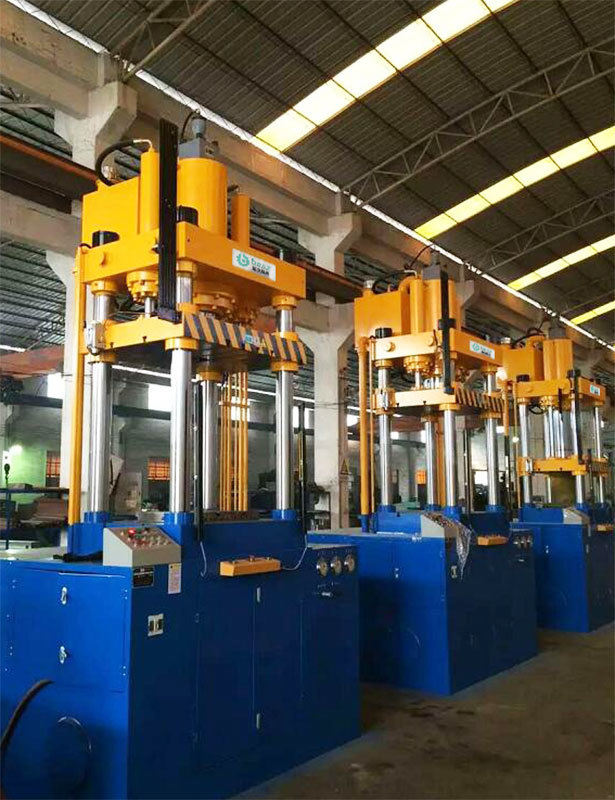
Custom Non-Standard Hydraulic Press
Multi-station hydraulic press
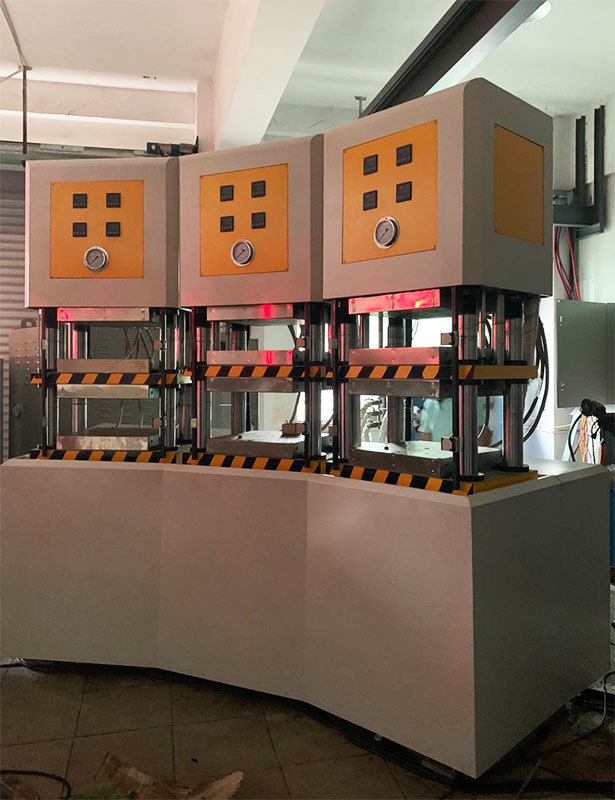
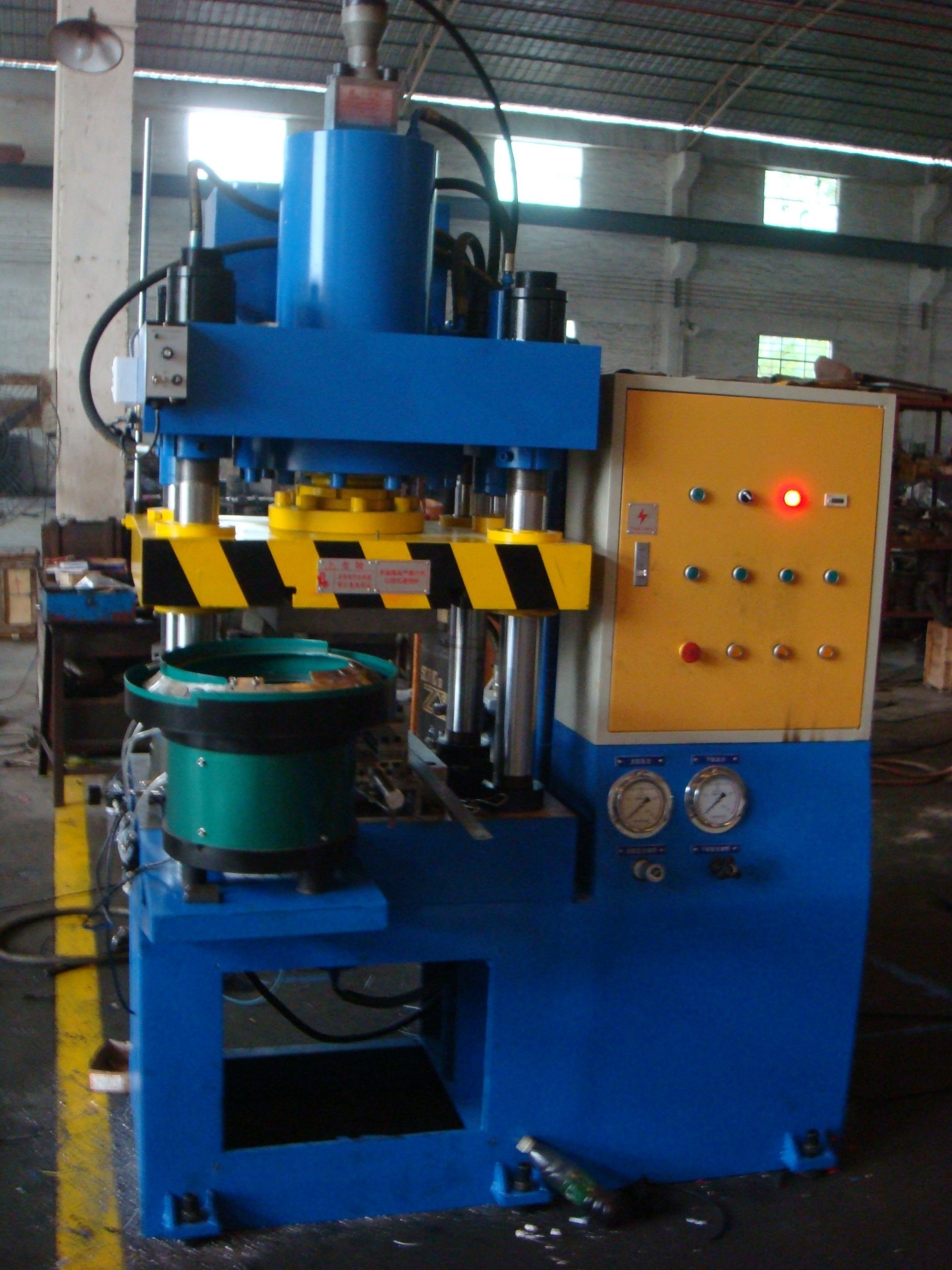
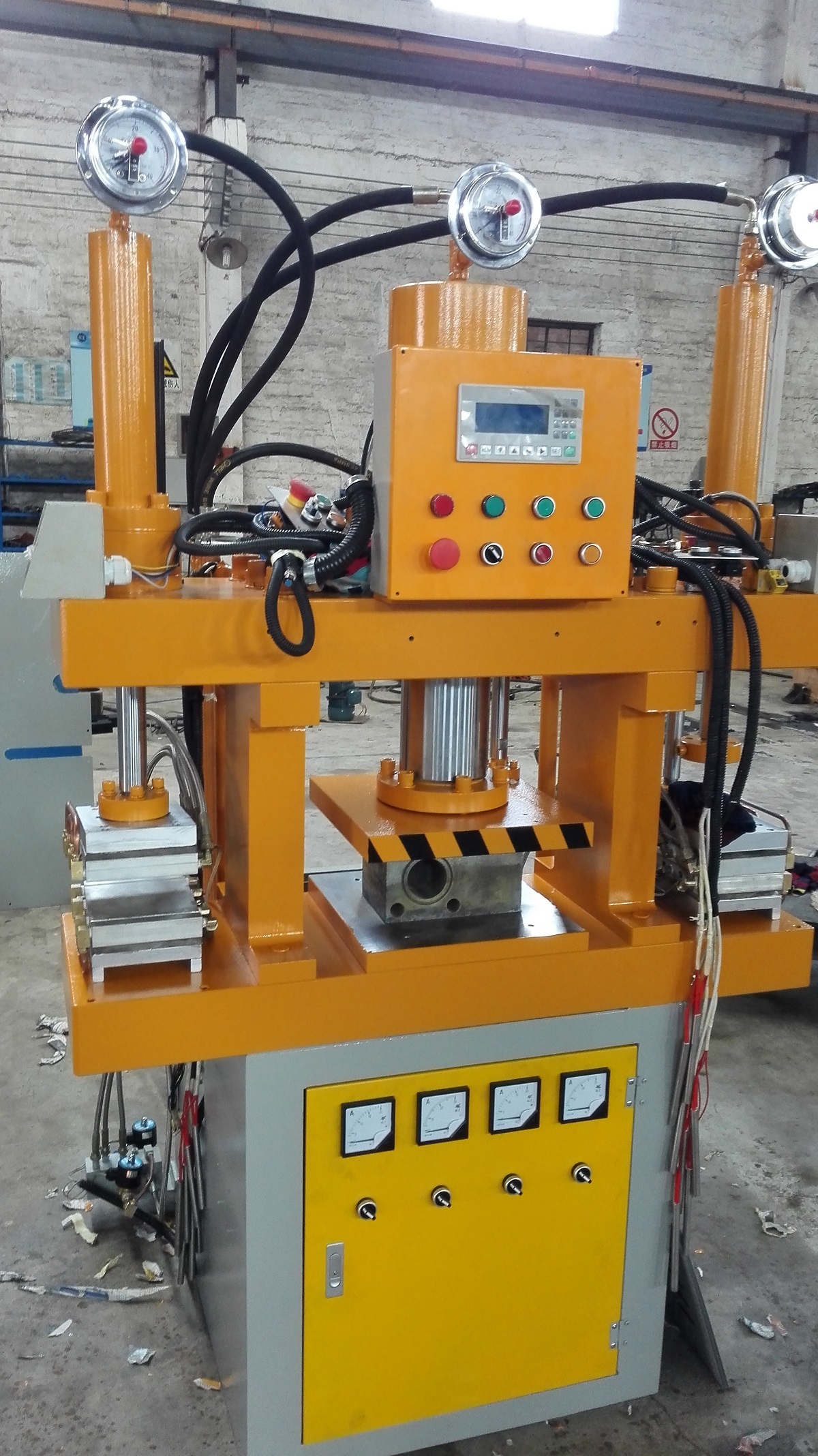
Top-acting hydraulic press
Single-column hydraulic press
Four-column hydraulic press
Framework Hydraulic Press
Automotive Trim Hot Press Machine
Universal Large Hydraulic Press
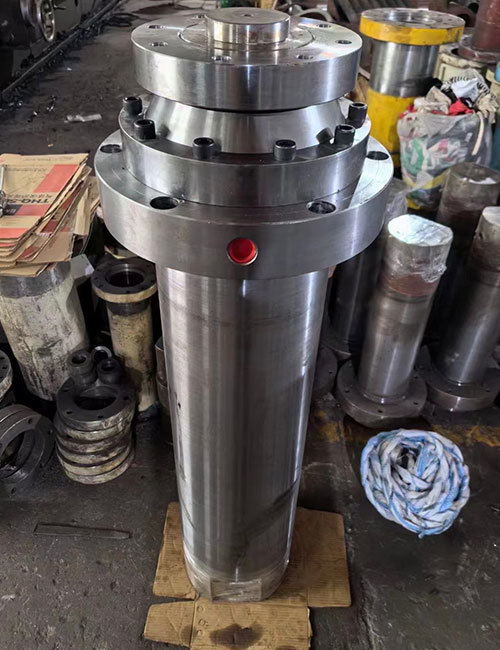
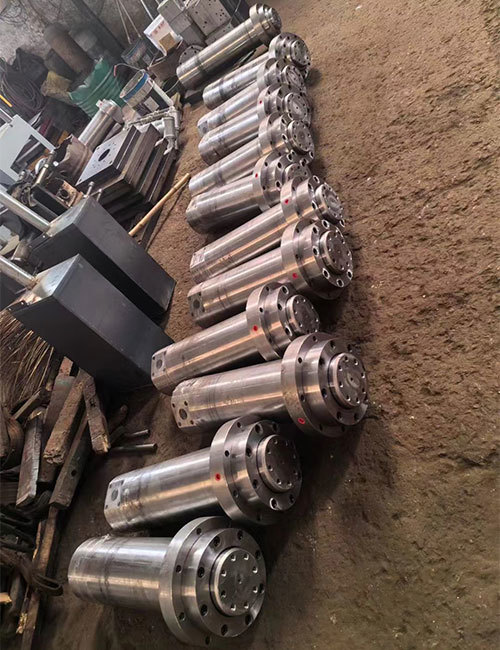
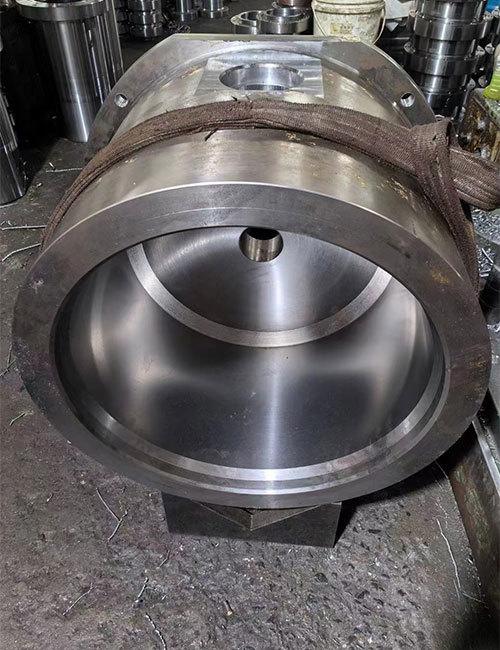
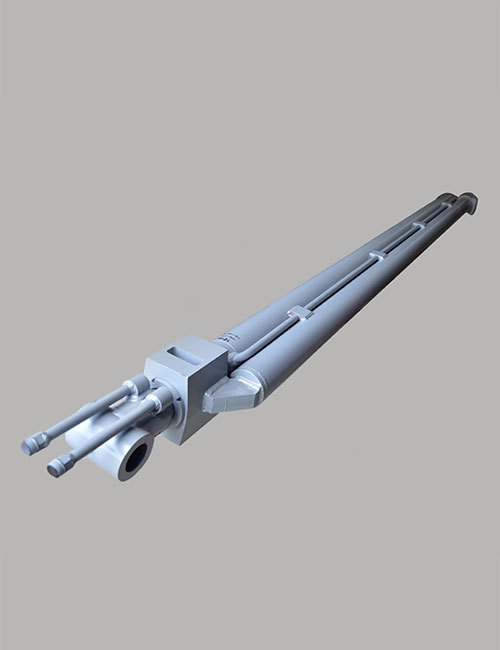
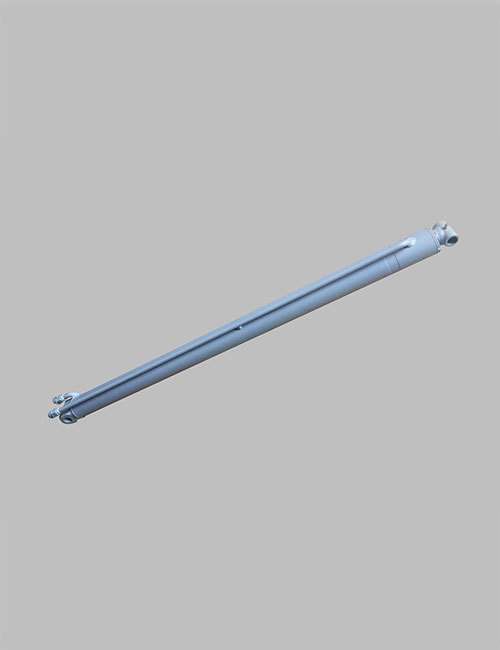
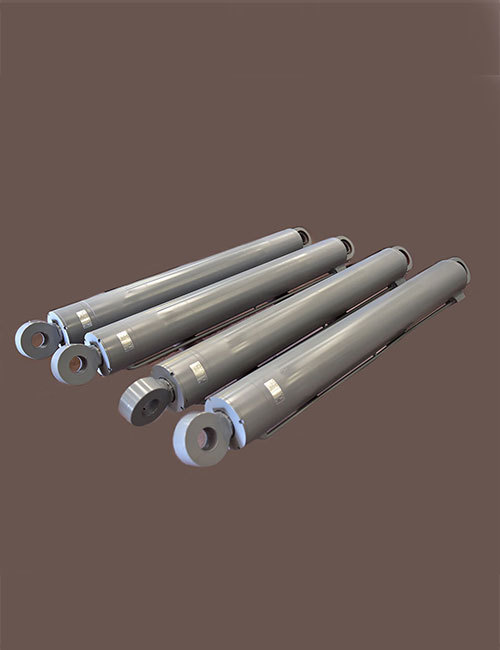
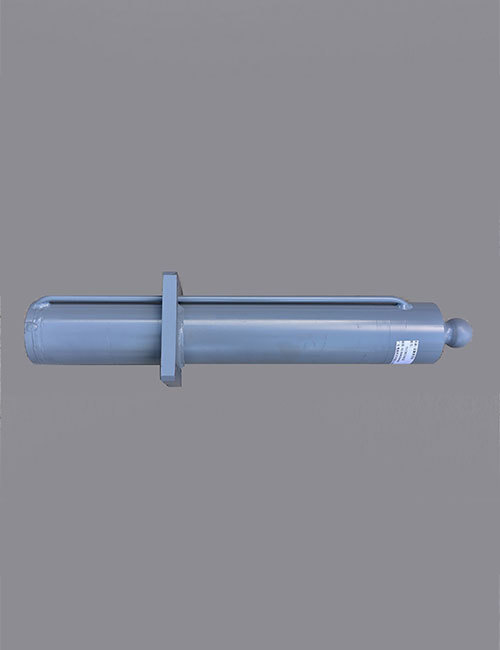
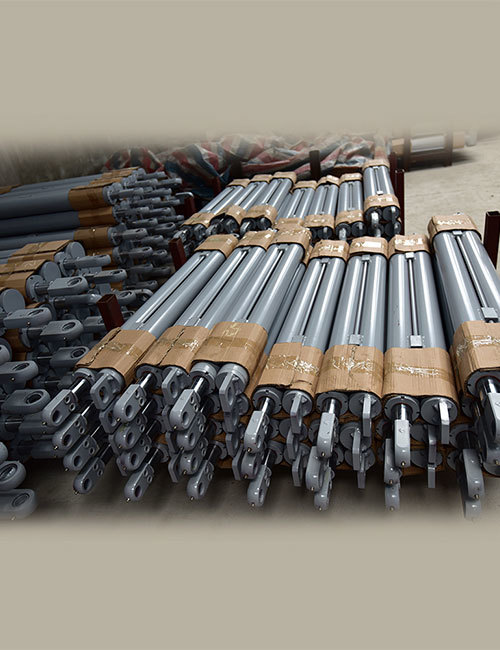
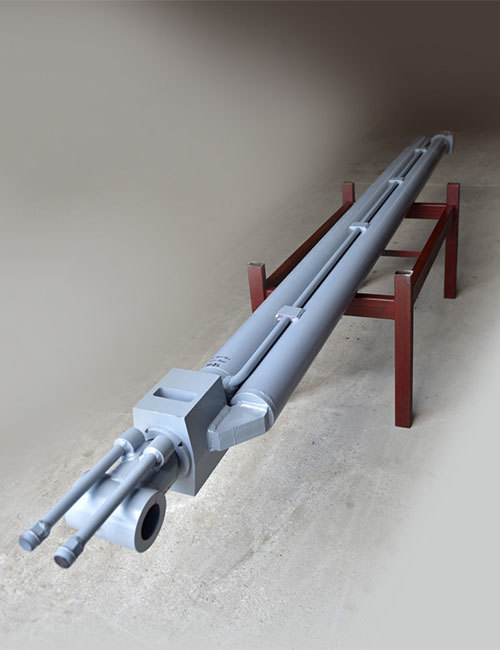
Large hydraulic cylinder
Custom Hydraulic Cylinders
Hydraulic oil cylinder
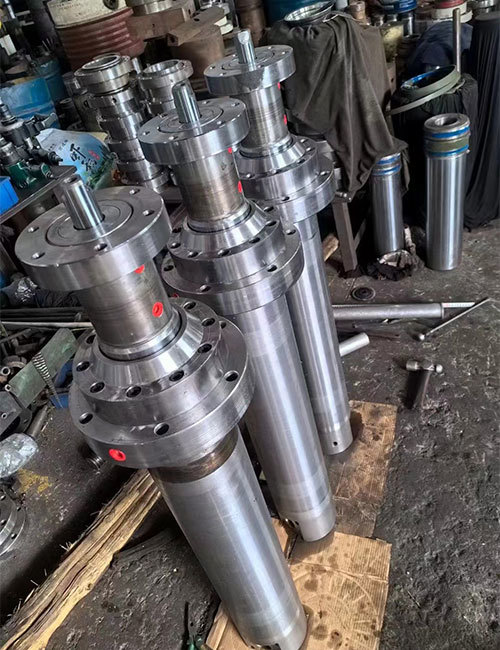
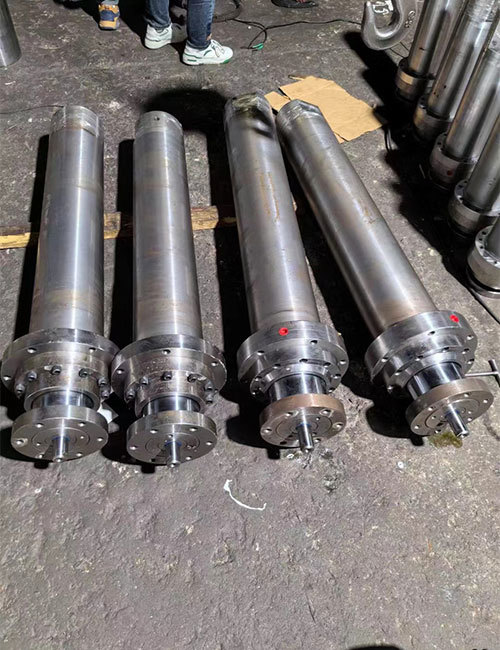
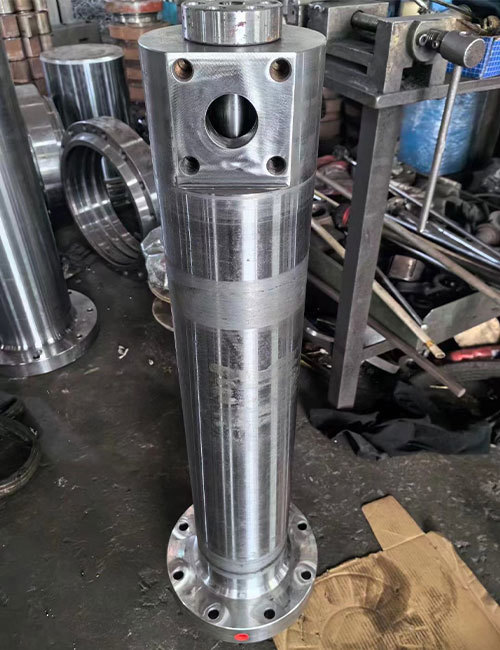
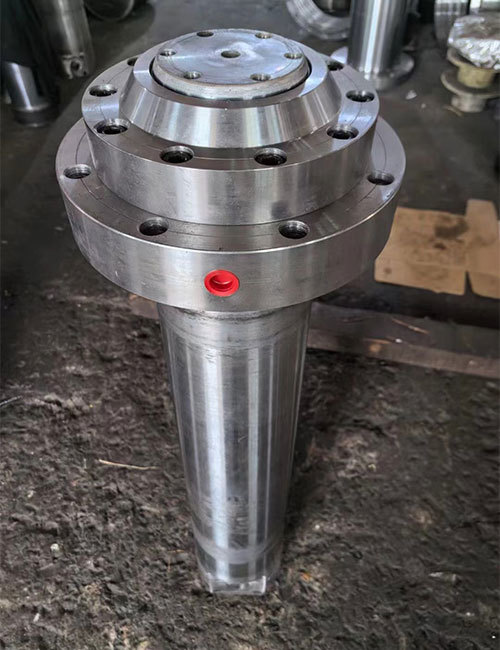
Construction machinery cylinders
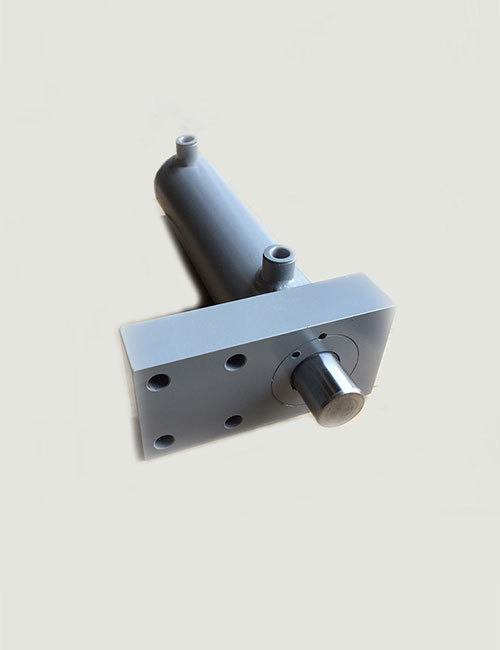
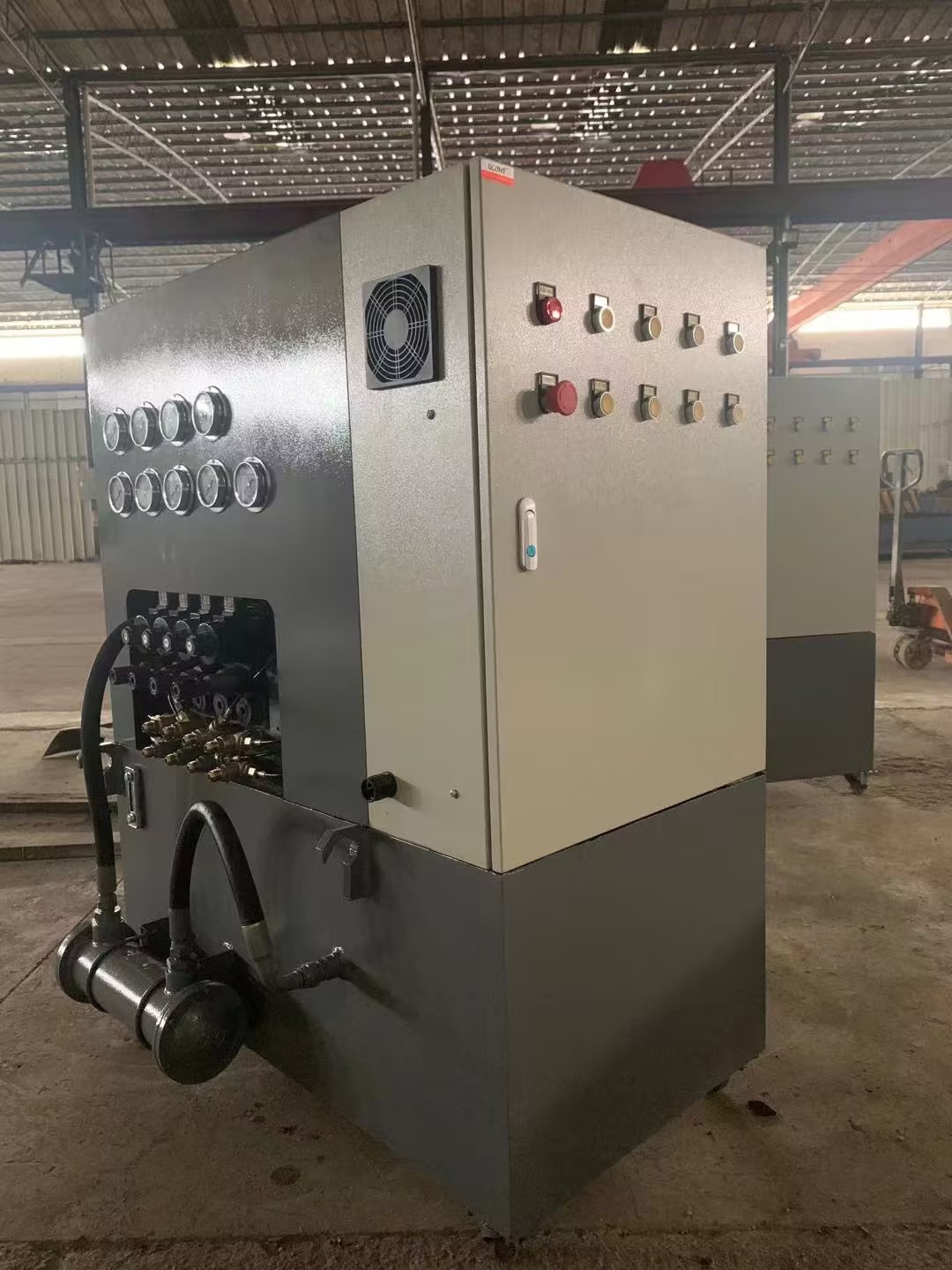
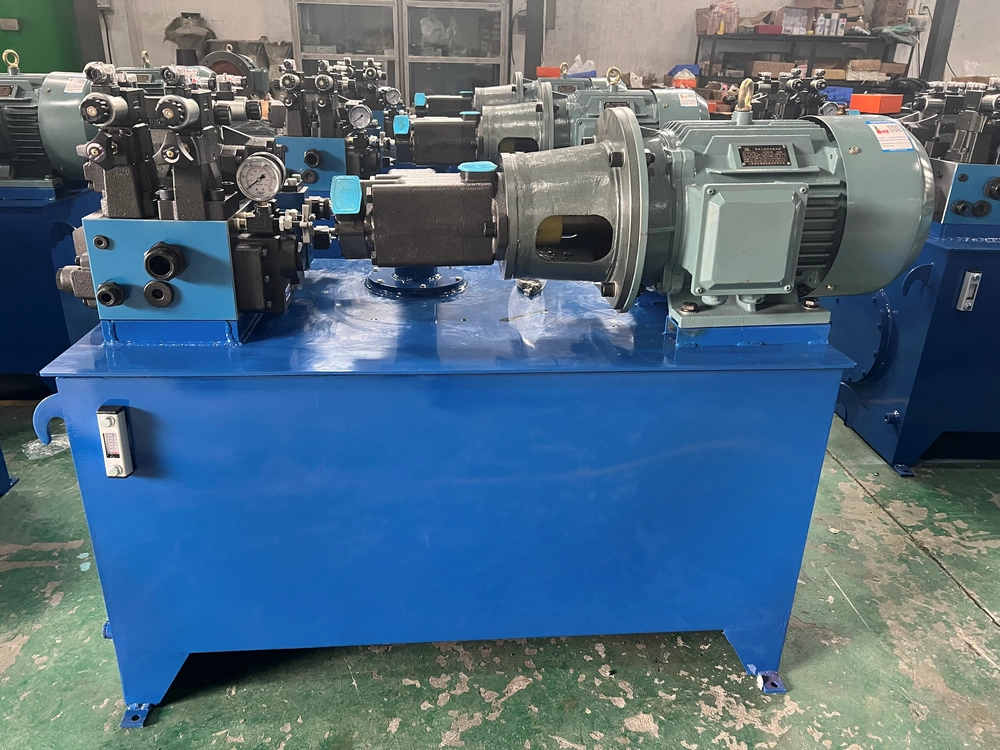
Customized Servo Hydraulic Systems
Contact Information
Tel: 0757-88816080
Mobile: 180-2225-3860(Mr. Guan)
Email: 1961666888@qq.com
add: No. 8, Self-compiled Building, Baidouli Factory, Industrial Zone, Shuaibian Economic Cooperative, Laobian Community, Danzao Town, Foshan City, Guangdong Province
Our product services
Quick Navigation
Official WeChat